



Metal roofs get hot fast. In Texas or Florida, the underside of an uninsulated roof panel can still radiate heat into the building hours after sunset. That heat drives up cooling costs and makes workshops, garages, and barns uncomfortable to work in.
Learning how to insulate a metal roof from the outside starts with stopping heat before it enters the building. Instead of trapping hot air inside, reflective insulation blocks radiant heat directly beneath the roof panels, helping reduce indoor temperatures and HVAC strain during hot weather.
Why Insulate a Metal Roof from the Outside?
Exterior insulation stops heat where it starts: the roof panels.
That matters most in:
- Metal shops
- Pole barns
- Agricultural buildings
- Garages in hot climates
Compared to insulating from the inside, exterior insulation helps:
- Reduce indoor temperature swings
- Lower cooling demand during summer
- Protect roof panels from thermal stress
- Preserve interior headroom and workspace
In hot climates, blocking radiant heat before it reaches the building shell is usually more effective than trying to cool the space afterward.
When You Should Insulate Exterior Roof
The best time to insulate from the outside is during:
- New construction
- Roof replacement
- Major reroofing projects
Once the metal panels are removed, adding reflective insulation is straightforward and much faster than retrofitting from inside later.
Exterior insulation is also useful when:
- Interior access is limited
- The building is already finished inside
- You want maximum summer heat reduction
Best Insulation for Metal Roofs from the Outside
Why Reflective Insulation Works Well
Reflective insulation excels in metal roof applications because of its unique properties:
- Reflects radiant heat away from the roof surface rather than absorbing it
- Lightweight and easy to install under roofing panels without structural modifications
- Works effectively in hot climates where radiant heat is the primary concern
- Doesn't compress or lose effectiveness over time like traditional insulation materials
The reflective properties of this insulation type make it particularly suited for metal roofs, which naturally conduct and transfer heat quickly without proper protection.
Radiant Barrier for Roof Applications
Radiant barrier is designed specifically for roof applications where radiant heat is the main problem.
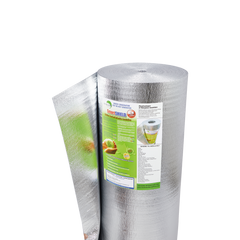
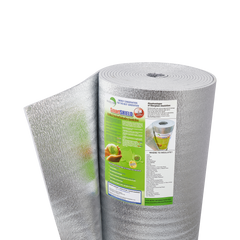
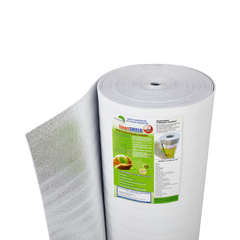
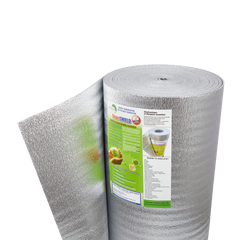
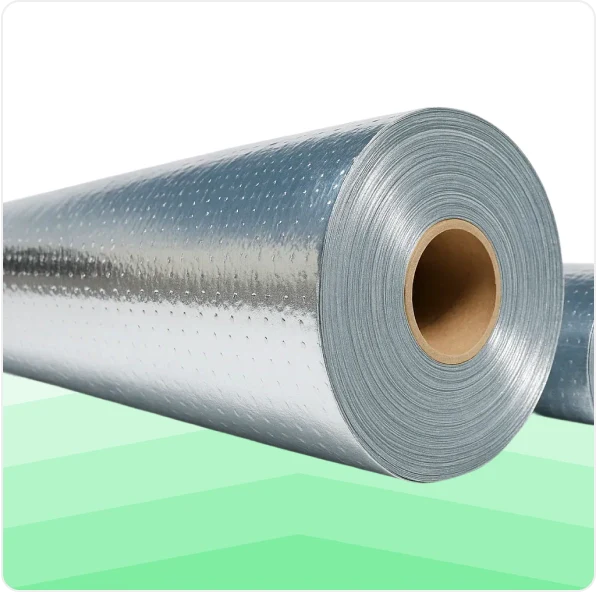
Our SmartFOIL - Radiant Barrier is installed directly under metal panels to block sunlight heat gain. It reflects up to 95% of radiant heat, creating a powerful thermal shield that dramatically improves indoor comfort while remaining lightweight and easy to secure.

Materials and Tools You Need
Before starting, gather:
- Reflective insulation rolls
- Foil tape
- Screws or staples with washers
- Utility knife or heavy scissors
- Measuring tape
- Drill or driver
- Gloves and fall protection
How to Insulate a Metal Roof from the Outside
Step 1: Prepare the Roof Structure
Check purlins, rafters, and framing for:
- Rust
- Loose fasteners
- Moisture damage
- Protruding screws or nails
The insulation lays flatter and seals better on a clean surface.
Step 2: Measure and Cut Insulation
Measure each roof section carefully and allow extra material for overlaps at seams.
Cut rolls with a sharp utility knife or scissors. Clean cuts make taping easier later.
Step 3: Install Insulation Over the Roof Frame
Roll the insulation across the roof framing and keep it tight as you work across the building.
Avoid wrinkles and sagging pockets. They can trap moisture and make panel installation harder.
Whenever possible, maintain an air gap beside the reflective surface. Reflective insulation performs best with air space.
Step 4: Seal Seams and Overlaps
Tape all overlaps and seams with foil tape.
This matters more than most DIYers realize. Small gaps allow heat and moisture to bypass the reflective barrier.
Most condensation problems start at poorly sealed seams.
Step 5: Install Metal Roofing Panels
Carefully place the metal roofing panels directly over the insulation layer.
Secure the panels according to the manufacturer's specifications, ensuring fasteners penetrate through the insulation into the structural framing below without over-compressing the material.
Common Mistakes to Avoid
Be sure to avoid these pitfalls:
- Skipping seam sealing, which allows unwanted heat transfer through tiny gaps
- Leaving gaps between insulation sections that create thermal bridges
- Installing without proper alignment, leading to wrinkles and reduced reflective coverage
- Ignoring ventilation needs, which can trap humidity and cause condensation issues
Exterior vs Interior Roof Insulation
Exterior insulation blocks heat before it enters the building, creating a thermal break at the roof surface. In contrast, interior insulation reduces heat after it enters the structure, making it less efficient in hot climates.
For maximum cooling benefit in warm regions, the exterior method is generally superior. However, in mixed climates or where heating is the primary concern, a combination of both approaches might be optimal.
(For buildings where exterior access isn't possible, see our guide on How to Insulate a Metal Roof From the Inside?.)

How Much Does Exterior Roof Insulation Cost
The investment required for exterior roof insulation varies based on several factors:
- Material type and quality significantly impact cost
- Roof size and complexity affect both material and labor requirements
- Installation method influences total project expenses
- Regional labor rates and material availability affect pricing
The energy savings can offset this investment over time. Most homeowners see a return on investment within 3-5 years through reduced cooling costs, making exterior insulation a sound financial decision in most climates.
Where to Get Insulation for Metal Roofs
When learning how to insulate a metal roof from the outside, choosing the right insulation matters just as much as the installation itself.
Look for products designed specifically for metal roofing systems, materials that reflect radiant heat, resist moisture, and hold up through years of temperature swings.
At Insulation MarketPlace, we offer direct-from-factory pricing on products like our SmartSHIELD and SmartFOIL rolls. We provide fast, free shipping from both our East and West Coast warehouses, ensuring you get exactly what you need for your roofing project quickly and affordably.
FAQs
Here are straightforward answers to common questions about how to insulate a metal roof from the outside.
1. Can you insulate a metal roof from the outside?
Yes, you absolutely can. Exterior insulation is commonly installed beneath metal roofing panels during new construction or roof replacement projects.
2. What insulation is best for metal roofs?
Radiant barriers and reflective foam core insulation are the best choices. Products like our SmartFOIL and SmartSHIELD reflect up to 95% of radiant heat, making them ideal for metal surfaces.
3. Is exterior insulation better than interior insulation?
In hot climates, exterior insulation is generally superior because it stops radiant heat before it enters the building. Interior methods only manage heat after it has already crossed the roofline.
4. Does roof insulation reduce cooling costs?
Yes, significantly. By blocking radiant heat gain, exterior roof insulation can lower cooling costs by reducing the constant, heavy strain on your air conditioning system.