



Understanding the cost of insulation in crawl space helps contractors and homeowners budget effectively for better energy efficiency.
Prices vary based on materials, square footage, and labor intensity. Below is a clear breakdown of what impacts total cost, and how to make smart material decisions.
Average Cost of Insulation in Crawl Space
The cost of insulation in crawl space projects varies significantly based on whether you hire professionals or tackle the job yourself.
Typical Cost Ranges Per Square Foot
- Materials only: approximately $0.50 to $2.00 per sq. ft.
- Full professional installation: typically $1.50 to $5.00 per sq. ft., including labor and overhead
Keep in mind that materials are only part of the total investment.
What Drives Installation Costs?
- Labor intensity: Removing old insulation or correcting moisture issues increases time and cost.
- Accessibility: Tight crawl spaces slow installation. Open, clean areas reduce labor hours.
- Preparation work: Mold remediation, debris removal, or vapor barrier installation adds to the total.
Cost Differences For Residential And Commercial Projects
Project scale changes how the cost of insulation in crawl space is calculated.
Homeowners
- Focus on comfort and lower energy bills
- Often prioritize affordability with solid performance
- Typically work with smaller square footage
Contractors and Commercial Projects
- Evaluate installation speed and labor efficiency
- Often benefit from bulk purchasing
- Must meet stricter building code requirements
Large-scale jobs may lower material cost per square foot, but added compliance requirements can offset those savings.

What Affects the Cost of Crawl Space Insulation
Several critical factors influence the final cost of insulation in crawl space projects, ranging from physical dimensions to environmental conditions.
Crawl Space Size And Accessibility
- Larger spaces require more material
- Tight or obstructed areas increase labor time
- Ductwork, plumbing, or debris slows installation
Accessibility often affects cost more than total square footage.
Climate And Moisture Conditions
Environmental factors play a massive role in determining the right insulation strategy. Local climate dictates the necessary R-value and the need for moisture control strategies.
- Humid Regions: In areas with high humidity, additional moisture control strategies are often necessary to prevent mold growth and structural damage.
- Sealed vs. Vented Crawl Spaces: The choice between a sealed crawl space and a vented one influences insulation choices. Sealed crawl spaces often require a comprehensive approach involving vapor barriers.
- Moisture Barriers: If the ground is damp, a vapor barrier must be installed before the insulation, adding to the material and labor costs.
Installation Efficiency
Contractors evaluate insulation products based on installation speed, as time is critical to profitability. Materials that reduce seams and labor time help control the cost of insulation in crawl space projects.
- Speed: Lightweight, easy-to-handle products install faster than heavy, bulky materials.
- Seam Reduction: Large rolls cover more area with fewer seams, reducing taping and sealing time.
- Preparation: Materials like reflective insulation often require minimal prep work compared to other options.
Why Crawl Space Insulation Matters for Building Performance
An uninsulated crawl space acts as a thermal bridge, allowing heat to escape in winter and infiltrate in summer. This forces HVAC systems to work harder, increasing energy consumption.
Furthermore, the stack effect draws air from the crawl space into living areas. If the space is humid or contains mold, air quality circulates throughout the home. Proper insulation enhances energy efficiency and protects indoor air quality.
Reflective Insulation for Crawl Spaces
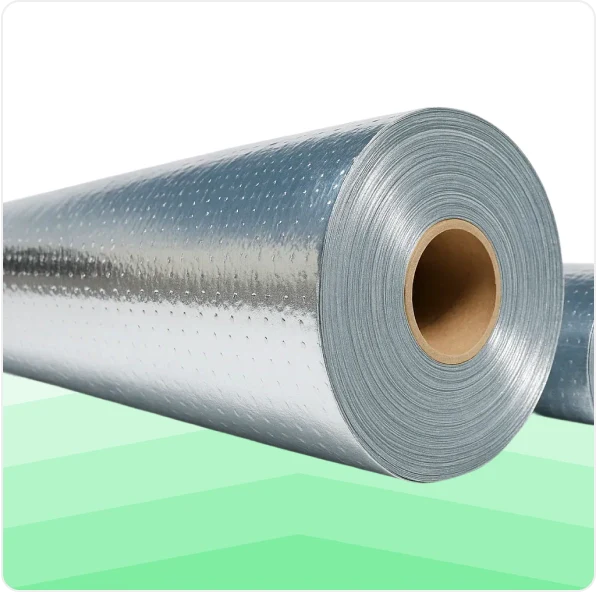
Reflective insulation offers a modern, efficient alternative that can optimize the cost of insulation in crawl space renovations by reducing labor and maximizing thermal performance.
How Reflective Insulation Works
Reflective insulation operates by reducing radiant heat transfer rather than just slowing conductive heat flow.
- Radiant Barrier Effect: The reflective surface blocks up to 95% of radiant heat, keeping the crawl space and floors above cooler in the summer.
- Temperature Stabilization: In the winter, it helps retain warmth in the floor system, preventing cold floors and heat loss.
- Condensation Control: When installed correctly, it acts as a vapor barrier, preventing ground moisture from migrating into the crawl space.

Advantages For Contractors And Installers
For professionals in the field, the ease of handling is a major selling point. Reflective insulation provides distinct handling benefits that can speed up project completion times.
- Lightweight and Flexible: The material is lightweight and comes in compact rolls, making it easier to transport into tight crawl spaces compared to rigid foam boards.
- Large Coverage Rolls: Large rolls help speed up installation on bigger projects by minimizing the number of seams that need to be taped.
- Clean Installation: Unlike fiberglass, reflective insulation does not contain itchy fibers, making the installation process more pleasant for the crew.
SmartSHIELD Reflective Insulation Solutions
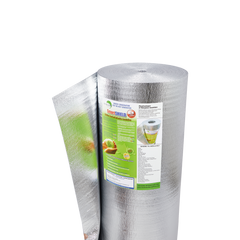
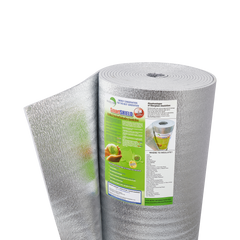
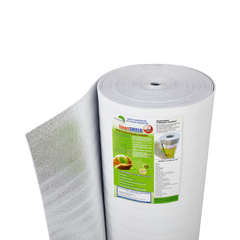
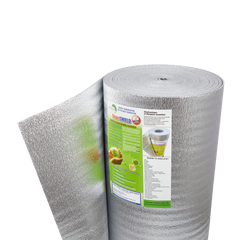
For higher performance needs, SmartSHIELD reflective insulation combines:
- Double-sided reflective foil
- Closed-cell polyethylene foam core
- Built-in moisture resistance
This multi-layer design provides radiant reflection and added thermal resistance in one product.
SmartSHIELD is durable, non-toxic, and resistant to mold and mildew, making it suitable for crawl space environments.
You can explore our SmartSHIELD collection here to find the right thickness and roll size for your specific needs.

Benefits For Contractors And Property Owners
Choosing a high-performance product benefits both installers and building owners.
For contractors:
- Lightweight and easy to handle
- Large rolls reduce seams
- Faster installation compared to multi-material systems
For property owners:
- More stable floor temperatures
- Reduced moisture-related issues
- Improved long-term energy efficiency
By choosing Insulation MarketPlace, you ensure access to certified, high-quality materials that meet ASTM standards for safety and performance.
Installation Tips for Crawl Space Projects
Following best practices ensures the insulation performs as intended for years to come.
Planning Crawl Space Insulation Work
Before installation:
- Inspect for standing water or existing moisture problems
- Correct drainage issues
- Ensure a ground vapor barrier is properly installed
- Repair plumbing leaks
Addressing these conditions first helps protect the insulation and structure.
Improving Installation Efficiency
Efficiency on the job site translates directly to cost savings. Using the right materials and techniques allows contractors to complete projects faster with better results.
- Use large rolls: Fewer seams improve coverage and continuity
- Seal seams properly: High-quality tape reduces air leakage
- Use appropriate tools: Proper cutting tools and fasteners speed up installation
Making Crawl Space Insulation Worth the Investment
Estimating the cost of insulation in crawl space involves weighing material, labor, and site conditions. Explore our SmartSHIELD Reflective Insulation at Insulation MarketPlace to find high-performance solutions that fit your budget.