

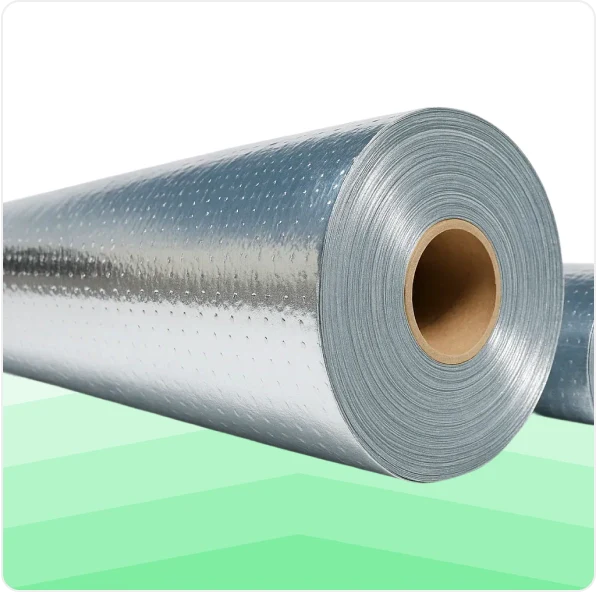


The average radiant barrier installation cost ranges from $0.10 to $0.50 per square foot for materials, while professional installation typically runs between $1.50 and $3.00 per square foot.
This investment significantly reduces cooling expenses by reflecting radiant heat away from your living spaces.
Average Radiant Barrier Installation Cost
Generally, the radiant barrier installation cost is calculated per square foot, making it easier to estimate the scope of your specific project.
- Material Costs: If you choose the DIY route, material costs are quite affordable. You can expect to pay between $0.10 and $0.50 per square foot for quality materials.
- Professional Installation: Hiring a contractor increases the price due to labor, typically ranging from $1.50 to $3.00 per square foot.
- Project Scope: A standard 1,000-square-foot attic might cost between $100 and $500 for materials alone, while professional installation could range from $1,500 to $3,000.
When calculating the overall radiant barrier insulation cost, it is essential to remember that prices vary depending on the specific product quality and the retailer. We offer direct-from-factory pricing, which helps keep these costs manageable without sacrificing performance.
What Affects Radiant Barrier Installation Cost
Several factors determine radiant barrier installation cost, by breaking down these variables, you can better anticipate where your money is going and how to optimize your budget.
Material Type
The type of material you select plays a significant role in the final price tag. Radiant barrier installation cost often depends on whether you choose a perforated or solid barrier, or a multi-layer foam product.
- Perforated Barriers: These are often the most cost-effective option. The tiny perforations allow moisture to escape, making them ideal for humid climates where condensation is a concern.
- Solid Barriers: These non-perforated options act as a vapor barrier. While similarly priced, they are strictly for specific applications where moisture control is handled by other systems.
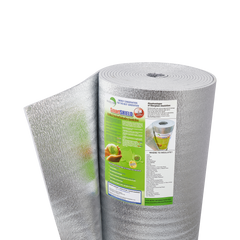
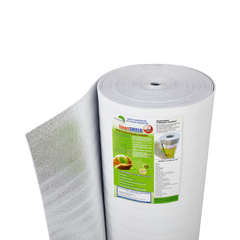
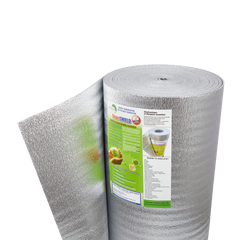
- Foam Core Insulation: Products like our SmartSHIELD combine reflective layers with foam centers. While slightly higher in material cost, they offer higher R-values and durability, providing better long-term value for demanding applications.
Installation Complexity
Labor costs depend on how easy the space is to work in.
- Accessibility: An attic with a standard walk-in door and tall ceilings is easier and cheaper to insulate than a crawlspace with a small access hatch.
- Roof Pitch: Steeper roofs create awkward angles and tighter spaces, slowing down the installation process and increasing labor costs.
- Obstructions: HVAC units, ductwork, and stored items in the attic require installers to work around obstacles, which adds time and complexity to the project.
Radiant Barrier vs Traditional Insulation Costs
Radiant barriers and traditional insulation work differently, and their costs reflect that.
Spray Foam
- Requires specialized equipment and trained installers. It is typically one of the most expensive insulation options.
Fiberglass Batts
- Lower material cost, but they mainly reduce conductive heat transfer. They do not effectively block radiant heat.
Radiant Barriers
- Designed to reduce radiant heat transfer from the roof. Installation is generally less complex than spray foam and can cover large attic areas efficiently.
Because radiant barriers target heat gain at the roofline, they help reduce attic temperatures. This allows existing floor insulation to perform more effectively.
For many property owners, a radiant barrier serves as a cost-effective upgrade that improves overall system performance without replacing existing insulation.

Radiant Barrier for Commercial and Industrial Buildings
For larger structures, radiant barrier installation cost is a strategic investment that controls heat in massive spaces more efficiently than standard insulation alone.
Heat Control In Large Structures
Metal buildings, warehouses, and manufacturing plants are highly susceptible to radiant heat gain, often becoming ovens in the summer months.
Metal roofs absorb intense solar radiation. That heat transfers into the building, raising interior temperatures and increasing strain on cooling systems.
This often leads to:
- Overheated workspaces
- Increased HVAC demand
- Heat stress on equipment and inventory
Installing a radiant barrier breaks this transfer cycle. By reflecting the radiant energy before it enters the building, the internal temperature stays significantly closer to the ambient temperature.
This supports better energy performance without requiring oversized HVAC systems.
Long Term Operating Cost Benefits
Analyzing the radiant barrier installation cost over the lifespan of the building reveals substantial financial benefits. Large commercial spaces consume vast amounts of energy for cooling. Reducing the cooling load even by a small percentage translates to massive savings on monthly utility bills.
- Lower Cooling Loads: HVAC systems cycle less frequently
- Extended equipment lifespan – Less strain on mechanical components
- More consistent indoor conditions – Improved comfort for staff and protection for stored goods
Instead of treating radiant barrier installation cost as a short-term expense, many facility managers evaluate it over the building’s lifespan.
Lower monthly energy demand and reduced mechanical wear can improve long-term cost efficiency, especially in hot climates where cooling systems run for extended periods.
Radiant Barrier Options from Insulation MarketPlace
We offer high-quality solutions that optimize radiant barrier installation cost by providing durable, easy-to-install products for any project scale.
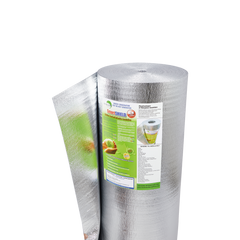
SmartFOIL Radiant Barrier
Our SmartFOIL Radiant Barrier is designed to reduce radiant heat transfer in residential and commercial buildings. Its reflective surface helps limit heat gain in attics, garages, barns, and similar spaces.
Key features:
- Reflective surface engineered to reduce radiant heat transfer
- Perforated design allows moisture vapor to escape
- Lightweight and durable for easier handling
- Suitable for contractors and DIY installations
Because it covers large areas efficiently, SmartFOIL can help reduce installation time and labor costs.

Foam Core Radiant Barrier
For projects requiring higher thermal resistance, our SmartSHIELD foam core reflective insulation serves as a multi-layer radiant barrier solution.
It combines:
- Reflective foil surfaces to reduce radiant heat transfer
- Closed-cell polyethylene foam to resist conductive heat flow
- Built-in vapor retarding properties
This option works well in metal buildings and large structures where temperature control and moisture management are important. The foam core adds rigidity and durability, allowing the product to perform reliably over time.
By combining radiant reflection and insulation in one layer, SmartSHIELD can simplify installation compared to systems that require multiple separate materials.

Choosing the Right Radiant Barrier for Your Budget
If you’re asking, how much does radiant barrier installation cost, the answer depends on three main factors: material type, total square footage, and labor requirements. Larger attics or commercial spaces naturally cost more to cover, while product choice affects both upfront price and long-term performance.
Many property owners also want to know “how much is radiant barrier costs” when purchasing materials alone. Pricing typically varies based on whether you select a single-layer foil barrier or a multi-layer foam core product like SmartSHIELD, which combines radiant reflection with added thermal resistance.
At Insulation MarketPlace, we offer direct-from-factory pricing to reduce unnecessary markups. We also provide fast, free shipping from our East and West Coast warehouses, with delivery across the U.S. in 2–4 business days.
Whether you're budgeting for a DIY attic upgrade or planning a large commercial installation, choosing the right product helps balance installation cost with long-term energy performance.