



When the temperatures drop, your RV’s windows are usually the first spots to let the cold roll right in. Anyone who’s cranked up their heater with thin paper blinds and felt a chill inside their RVs knows just how useless they can be. Because most rigs have single-pane glass, heat escapes quickly, and your whole place begins to feel like a walk-in freezer.
RV window insulation for winter is probably one of the easiest things you can do to improve the livability of your RV. Several effective upgrades will keep the heat in, reduce drafts, and make your RV feel much more livable as soon as the real cold hits.
1. Why Insulating RV Windows Matters More Than You Think
A lot of RVers don’t notice just how much heat those thin windows lose until that first cold snap smacks them in the face. The glass gets cold in no time, drafts start slipping in, and suddenly your heater is running nonstop just to keep things halfway comfortable. All that warm indoor air hits the cold window and turns into condensation, which can lead to mold, water stains, and a bunch of annoying problems you really don’t want to deal with in the middle of winter.
Curtains and blinds are able to block the view from outside, but they won't help keep the temperature inside the RV. The most effective method of keeping the RV warm during the cold season is using suitable RV window insulation for winter. The reflective insulation can be your best bet as it essentially bounces the heat back to the RV, thus less heat is lost. Once you try it, you’ll see why many RVers consider it the best way to insulate RV windows for winter. It keeps things warmer, drier, and way more comfortable all season long.
2. Choosing the Right Insulation Material for RV Windows
If you want RV window insulation for winter that actually makes a difference, it helps to know what’s worth using and what’s better left on the shelf. Here’s a quick breakdown to make the choice easier:
Popular options:
- Shrink film is affordable and easy to apply, but it offers limited insulation and generally only endures for one season.
- Foam board provides extra warmth, yet it can be bulky, challenging to trim accurately, and bothersome to remove when you require entry or ventilation.
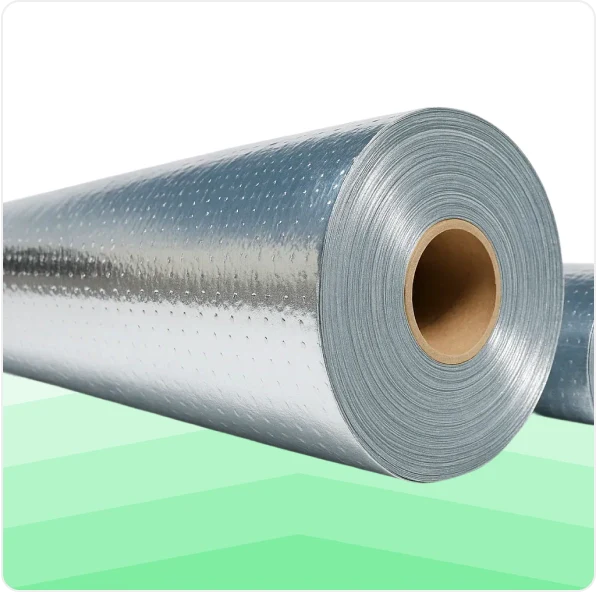
- Reflective insulation is a light, reusable, and highly efficient product that takes up very little space.
Recommended materials:
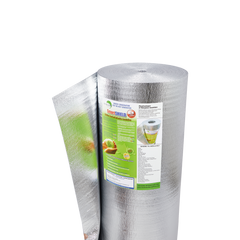
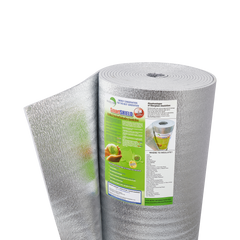
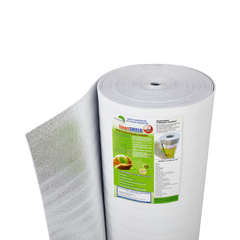
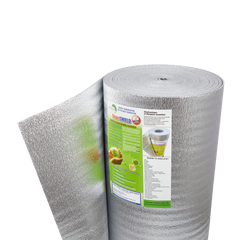
Insulation MarketPlace offers two standout options perfect for RV windows:
- Reflective Foam-Core Insulation: durable, with a semi-rigid body for windows that need firm panels.
- Reflective Bubble-Core Insulation: slightly more flexible and great for curved surfaces or tight fits.
Both are designed for RVs and pop right into window frames without fuss.

Why do these work better?
- Higher R-value without adding bulk
- Moisture-resistant, so windows stay drier
- Cut-to-fit and friction install with no tape or tools
- Clean, tidy look that can be reused season after season
If you’ve got small, quirky, or oversized windows to tackle, take a look at the full DIY Insulation Sheets collection.
3. How to Insulate RV Windows for Winter Step-by-Step
If you want RV window insulation for winter that actually works and doesn’t turn into a big project, this simple DIY method is the way to go. A lot of people learning how to insulate RV windows for winter living are surprised at how quick and clean this process is.
-
Step 1: Measure
Measure the inside of the window frame, not the glass. This gives you the size your panel will actually sit against.
-
Step 2: Cut
Include roughly 1/8 to 1/4 inch to your measurements so the insulation fits tightly. Slice your panel with a utility knife or scissors.
-
Step 3: Install
Press the insulation into the window frame. That tiny bit of oversize creates a friction fit, so it stays put without tape or tools.

Benefits:
- No sticky residue, holes, or hardware
- Pops out easily when you want natural sunlight
- Perfect for renters, seasonal campers, or anyone who likes reversible upgrades
This fast way provides you with steady heat without the need for a complicated setup, thus a cold season in your RV will be more pleasant and easy to manage.
4. What to Do About Odd-Shaped Windows, Skylights, and Doors
RV windows differ in shape, and insulating them can be quite difficult if you have windows that don’t follow the usual square or rectangular shape. Curved windows or funky shapes are easiest to handle with flexible SmartSHIELD since it bends and fits without fighting you. A quick trick is to trace the shape with cardboard first, then use that as your cutting template.
Don't forget that skylights and vent covers are just as important as they can be the source of a great amount of heat. Cut your SmartSHIELD slightly oversized so it presses into place, or add Velcro or small magnetic strips if the panel needs to sit vertically.
And do not skip the door glass. Just a few changes will quickly make a big difference in how warm the whole setup will be. A friction-fit panel or just a thermal curtain will work wonders, especially if you also use draft stoppers or some foam tape around the seals.
5. Maintenance, Storage, and Reuse
The cool thing about having RV window insulation for winter is that, each year, you can reuse the panels you used in previous winters with almost zero maintenance. After the season, simply label each panel and store them flat or gently rolled in a clean, dry place. Cleaning is also straightforward. To keep the reflective surface in good condition, you can use mild soap, water, and a soft cloth. Despite their lightweight feel, these panels are impressively durable and hold up well through repeated use.
The material in these panels is a lot more durable than it looks. Not just when using an RV, they're also very useful in all kinds of applications, including sheds, garages, trailers, or around the house. They will last far longer than any disposable plastic film you will find for insulation. This also gives you better insulation and value for your money every winter season.
Insulate Smarter, Not Harder
Insulating your RV windows is the fastest way to convert a drafty camper into a comfortable dwelling. In contrast with flooring or wall projects, it doesn’t need any tools, tape, or time-consuming installs.
You can easily tailor the reflective insulation, such as SmartSHIELD or SmartBUBBLE, according to window sizes, keep the heat, and also get the light back during the day, all this without harming or making permanent changes to the windows. If you’re looking for how to insulate a camper for winter use, start with your RV windows, and you’ll feel the difference overnight.
Equip your rig with the best RV insulation from Insulation MarketPlace and be ready for the next frosty night.