



Considering garage insulation in Florida? Insulating your garage can enhance comfort and functionality. Insulation helps combat Florida’s heat and humidity, prevents moisture buildup, and protects stored items.
Upgrading insulation can save energy. Studies show it can lower cooling costs by up to 45% annually. While it has many benefits, insulation isn’t perfect. It can be costly, and if done incorrectly, it might trap moisture in Florida’s humid climate. Here’s a closer look at the pros and cons of insulating garage in Florida.
Key takeaway: Insulating your Florida garage can significantly improve comfort and energy savings, but be sure to address moisture risks and weigh cost vs. benefit.
Why You Should Insulate Your Garage in Florida
In Florida, garage insulation is often ignored, but it plays a crucial role in maintaining a comfortable and energy savings home. The hot, humid weather of Florida makes it hard to keep indoor temperatures steady. Without insulation, your garage could be really hot, raising cooling costs.
Insulation prevents moisture buildup, protecting your garage and enhancing air quality. For homes near the coast or in flood-prone areas, insulation helps control humidity.
An insulated garage creates a better space to use as a workshop or entertainment area. It improves comfort and protects your home.
Pros and Cons of Insulating Garage in Florida
It’s important to weigh the pros and cons of insulating garage in Florida. While insulation has many benefits, knowing the potential drawbacks can help you make a better decision for your home.
| Pros | Cons |
|---|---|
| Temperature Control: Keeps garage cooler in summer and warmer in winter; stabilizes temperatures in adjacent rooms. | Initial Cost: Installation can be expensive depending on materials and garage size. |
| Energy Savings: Reflective insulation blocks radiant heat, reducing AC use and lowering cooling bills (up to 45%). | Moisture Risk: Wrong insulation type or poor installation can trap humidity, causing mold/mildew. |
| Moisture Protection: Helps prevent condensation and protects stored items from Florida’s high humidity. | Lower ROI: Return on investment is often smaller compared to insulating main living areas. |
| Comfort Upgrade: Makes the garage usable as a gym, workshop, or office year-round. | Space Restrictions: Some insulation types reduce usable garage space. |
| Noise Reduction: Insulation dampens outside noise and garage activity sounds. | DIY Difficulty: Spray foam or fiberglass may require professional installation. |
Where Should You Insulate in Your Florida Garage?
When insulating your garage, there are several key areas to focus on for maximum effectiveness:
- Garage door: This is the #1 heat transfer point. A garage door insulation kit, like SmartGARAGE, can reflect up to 97% of radiant energy.
- Walls and ceiling: Insulating walls (especially ones shared with your home) helps regulate interior temperatures. Adding insulation to the ceiling can also prevent heat from radiating into upper floors.
- Floor above the garage: If your garage has a floor above, insulate it. This stops heat from rising into the living areas above. It keeps the space cooler in summer and warmer in winter.
- Windows and vents: Seal windows and vents to prevent air leaks. Use SmartSHIELD Plus for added moisture resistance and radiant barrier performance.

Why Reflective Insulation is the Best Choice for Garage in Florida?
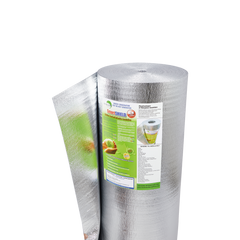
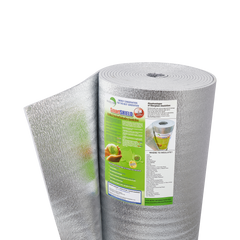
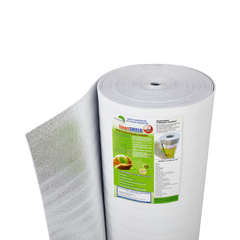
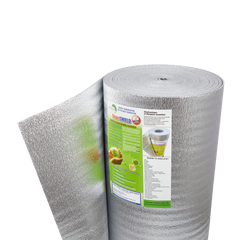
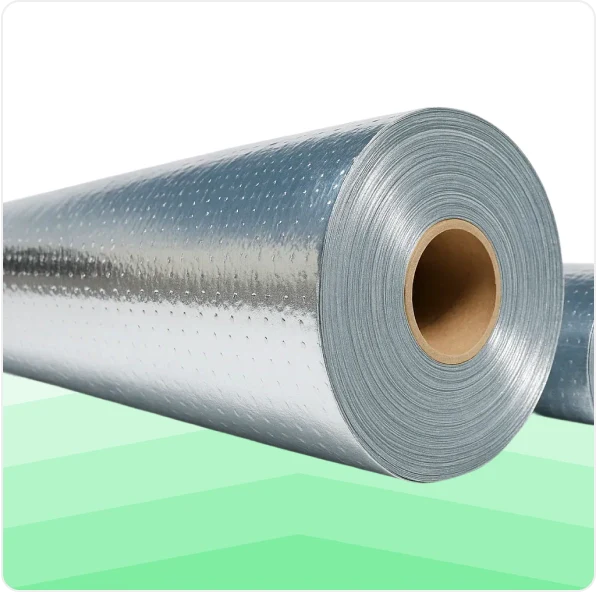
Florida’s climate is hot and humid almost year-round. That’s why reflective insulation (like SmartSHIELD) is the best match. Its ability to block radiant heat makes it a standout option for homeowners looking to keep their garages cooler and more comfortable. By reducing heat transfer and resisting moisture, it also helps protect your belongings and lowers energy costs.
Key Advantages:
- Moisture-resistant and mold-resistant
- Lightweight and easy to install (DIY-friendly)
- Safe, non-toxic, and durable
- Works year-round in both hot and cold temperatures
For the best insulation, choose materials from Insulation MarketPlace. We offer high-quality products for your garage and home. Whether you need insulation for walls, ceilings, or floors, we have the right options. Our materials provide great energy efficiency and comfort.
Insulate Smarter with Affordable Options from Insulation Marketplace
Insulating your garage offers many benefits, but it's essential to examine the pros and cons of insulating garage in Florida to make an informed decision. It enhances comfort, protects your belongings, and reduces energy costs. With the right insulation, you can transform your garage to become a functional, year-round space. Insulation safeguards it against Florida’s heat and humidity. Choosing the best insulation material is key to achieving these benefits.
Check out Insulation MarketPlace for affordable, high-performance insulation materials that can help you upgrade your garage today.
FAQ
1. What’s the difference between radiant barrier and reflective insulation?
Radiant barriers are single-layer reflective materials (like foil) designed to reflect heat.
Reflective insulation combines radiant barriers with other materials (like foam or bubbles) for added thermal resistance. Reflective insulation is better suited for garages, offering both moisture control and heat reflection.
2. Does building code in Florida require garage insulation?
In most Florida regions, garage insulation is not required by code, especially for detached garages. However, attached garages or living space above garages may fall under energy efficiency guidelines in the Florida Building Code if they affect the home’s thermal envelope.
3. What insulation R-value is needed for Florida garages?
R-value isn't always the best metric for Florida garages. Radiant heat is the primary concern, so reflectivity (not thickness) is more important. Products that reflect 97% of radiant energy are more effective in hot climates than high-R-value batts designed for cold zones.
4. Is reflective insulation flammable or safe for garage use?
High-quality reflective insulation (like SmartSHIELD or SmartBUBBLE) is Class 1/Class A fire-rated, meaning it's safe for residential garage applications. Always check that products are ASTM certified and moisture-resistant for use in hot, humid climates.
5. How long does reflective garage insulation last in Florida?
Reflective insulation typically lasts 10–20 years, depending on exposure and installation quality. Most products from trusted brands come with a 10-year warranty, and they maintain performance longer when shielded from direct UV and water exposure.
6. Can I combine reflective insulation with batt or foam board in a garage?
Yes, layering is possible. For example:
- Use SmartFOIL against the wall surface for radiant reflection
- Add foam board for added R-value if needed. This hybrid approach is ideal for converted garages or high-use spaces.