



Choosing between a metal vs wood shed depends entirely on your specific needs for durability, aesthetics, and budget.
Both options offer unique benefits for storage and workspace functionality. In this article, we’ll help you navigate these choices to find the perfect fit for your property.
What Is a Metal Shed?
Metal sheds are typically built from steel or aluminum panels attached to a metal frame. They are designed for durability and fast installation.
Metal Shed Construction Basics
- Steel or aluminum panels
- Reinforced metal frame
- Protective coatings to reduce corrosion
Metal sheds are commonly used for equipment storage, workshops, and utility buildings. Many contractors prefer them for quick installation and predictable assembly timelines.
Advantages Of Metal Sheds
Metal sheds offer distinct benefits regarding structural integrity and upkeep requirements, making them a compelling option for property owners seeking reliability.
- Immunity to common pests like termites, as well as resistance to rot and fungal decay.
- Minimal maintenance requirements over the lifespan of the building.
- Faster assembly times compared to stick-built wooden structures.

What Is a Wood Shed?
Wood sheds represent a traditional building approach, offering a classic look that many homeowners find appealing for residential settings.
Wood Shed Construction Basics
- Framed with dimensional lumber
- Covered with wood siding or panels
- Easily customized during construction
Wood sheds blend naturally into backyard and garden settings. Builders can adjust layouts, add windows, or change door placements more easily than with pre-fabricated metal kits.
Advantages Of Wood Sheds
Wood sheds provide unique aesthetic and structural flexibility benefits for residential properties. Their natural composition allows for modifications that are difficult to achieve with metal.
- A natural appearance that complements home architecture and garden settings.
- Structural flexibility that makes it easier to modify or expand the footprint later.
- Extensive design options, allowing for personalized paint colors and architectural details.
Metal vs Wood Shed Cost
Budgeting for a new structure involves analyzing both the upfront price and the long-term financial commitment.
Initial Construction Costs
Metal sheds are often less expensive for basic kits, making them an attractive entry point for budget-conscious buyers. The manufacturing process for metal panels is highly standardized, reducing production costs.
Wood sheds may cost more depending on materials and custom design choices. The price of lumber fluctuates, and opting for high-quality siding or intricate architectural details can quickly increase the budget.
However, a simple DIY wood shed can still be cost-effective if using basic framing materials.
Long Term Cost Considerations
Maintenance impacts total ownership cost.
- Wood sheds typically require painting, sealing, or staining over time.
- Metal sheds usually require less routine maintenance but may need occasional rust treatment or panel repair.
- Successful financial planning requires weighing these cumulative expenses against the upfront savings.
Durability and Maintenance
Material choice directly affects lifespan and maintenance demands.
Weather Resistance
- Metal sheds resist moisture damage and pests effectively.
- Wood sheds can be vulnerable to rot, insects, and moisture if not properly maintained.
Climate plays a major role in long-term performance.
Lifespan Expectations
Metal sheds can last decades with minimal upkeep. Wood sheds can also last many years but typically require more frequent maintenance and occasional part replacement.
Your willingness to maintain the structure influences its lifespan.
Insulation Considerations for Sheds
Comfort inside your shed is vital if you plan to use it as a workspace or store temperature-sensitive items.
Temperature Control Inside Sheds
Metal sheds absorb radiant heat quickly, which can cause interior temperatures to rise significantly in direct sunlight.
Wood sheds also experience heat gain and loss but may moderate temperature slightly due to natural material properties.
Without insulation:
- Interiors become uncomfortable in summer
- Cold air penetrates in winter
- Stored equipment may be exposed to temperature extremes
Moisture And Condensation Challenges
Effective moisture management is a critical aspect of any metal vs wood shed project to prevent structural damage and protect contents.
- Condensation can occur inside metal sheds without proper insulation.
- Insulation helps stabilize interior temperatures and reduce moisture problems effectively.
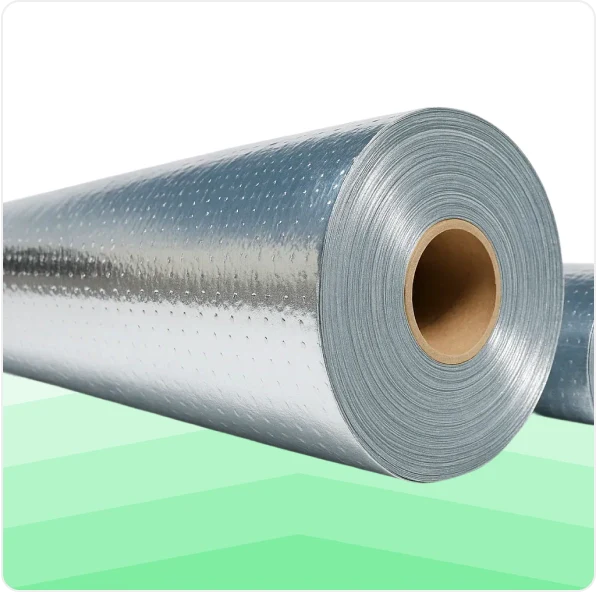
SmartSHIELD Reflective Insulation for Sheds
At Insulation MarketPlace, we provide high-performance insulation solutions specifically designed to tackle temperature fluctuations in outdoor structures. Our products address the challenges of keeping sheds comfortable and dry.
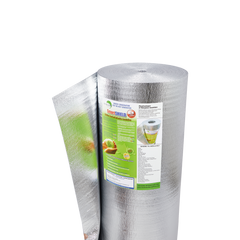
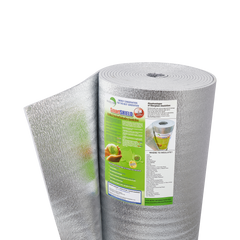
SmartSHIELD 10mm Insulation
Our SmartSHIELD 10mm insulation features:
- Closed-cell polyethylene foam core
- Reflective foil surfaces
- Vapor-retarding properties
It helps reduce radiant heat transfer and supports more consistent indoor temperatures.

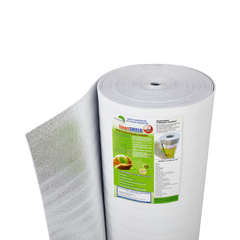
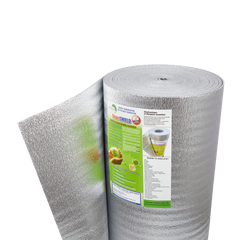
SmartSHIELD 20mm Insulation
For maximum thermal protection, our SmartSHIELD 20mm insulation offers:
- Greater thickness
- Enhanced radiant heat control
- Improved condensation management
This option works well in climates with significant temperature swings or in sheds used as workspaces.

Benefits For Contractors And Builders
Our SmartSHIELD products offer practical advantages for both DIY homeowners and professional contractors.
- Large roll insulation helps speed up installation on multiple projects, saving valuable time.
- Lightweight materials simplify installation in small structures without the need for heavy machinery.
- Suitable for both residential shed projects and large-scale contractor installations.
When to Choose a Metal Shed
A metal shed is often the better choice when:
- Durability and low maintenance are priorities
- The structure is primarily for storage
- Quick installation is important
When a Wood Shed May Be the Better Choice
A wood shed may be preferable when:
- Aesthetic integration with the home is important
- Custom design flexibility is required
- The shed serves as a visible backyard feature
Planning a Shed That Performs Long Term
To maximize your investment, consider durability, maintenance, and insulation needs together before building.
Adding proper insulation improves comfort and helps protect stored items from heat and moisture.
At Insulation MarketPlace we offer reflective insulation solutions designed to support shed performance in both residential and contractor projects. Explore our insulation options to enhance your next build.