



How to insulate potted plants for winter to protect roots from freezing temperatures, wind exposure, and damaging freeze–thaw cycles? Many gardeners struggle with plant loss each winter because containers lack natural ground insulation.
In this guide, we’ll explain why insulation matters, what materials work best, and how to use simple, effective methods with reflective insulation.
Why Potted Plants Need Insulation in Cold Weather
Potted plants are far more vulnerable to cold weather than plants growing directly in the ground. Their roots are surrounded by air on all sides, which allows cold temperatures to penetrate quickly and deeply.
- Most potted plants don’t benefit from the insulating warmth of the ground.
Soil in garden beds retains heat longer, but containers cool rapidly once temperatures drop. Even a single freezing night can damage roots if pots are left unprotected.
- Winter winds and freezing temperatures can kill roots fast.
Wind strips away residual warmth from containers, while repeated freeze–thaw cycles cause soil expansion that stresses roots and cracks pots. Over time, this weakens plants and reduces spring growth.
- Even cold-hardy plants suffer when roots freeze and thaw repeatedly.
While the top growth may tolerate frost, roots are less resilient. Insulating planters reduces the risk of frost damage by stabilizing soil temperature.
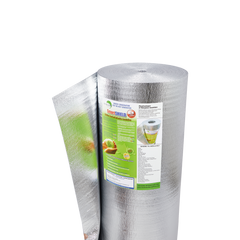
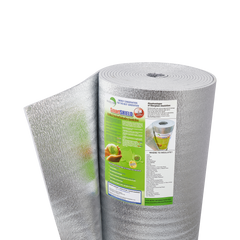
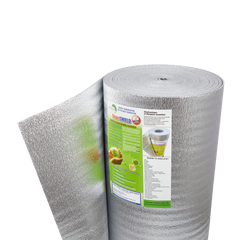
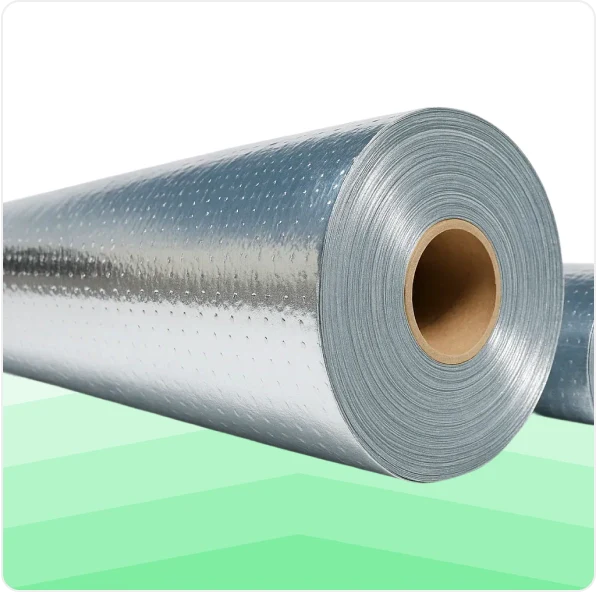
At Insulation MarketPlace, we often recommend reflective insulation solutions like SmartSHIELD to reduce heat transfer outdoors. Its foil layers reflect radiant cold away from containers, helping maintain a more consistent root-zone temperature even in harsh winter conditions.
What Makes a Good Insulated Pot for Winter
Choosing or modifying the right container can make winter plant care far easier and more effective.
When looking for insulated pots for winter, focus on material, thickness, and drainage.
- Thicker walls slow heat loss, while proper drainage prevents water from freezing and cracking containers.
- Terra cotta and ceramic pots need extra protection because they are porous and prone to cracking. These materials absorb moisture, which expands when frozen. Wrapping them with reflective insulation adds a protective thermal layer and reduces breakage risk.
- Smart alternatives such as plastic or resin pots offer better frost resistance. They flex slightly with temperature changes and are less likely to crack. However, they still benefit from added insulation during prolonged cold spells.
To enhance protection, line pots with reflective insulation. Using SmartSHIELD or SmartBUBBLE as an inner liner or outer wrap boosts thermal performance without interfering with drainage. This approach works well for both decorative and functional planters.

How to Insulate Potted Plants for Winter: 4 Easy DIY Methods
The following methods show exactly how to insulate pots for winter using accessible, proven techniques that work in real-world conditions.
Each method below can be used alone or combined, depending on your climate, plant type, and available space.
1. Wrap with Reflective Insulation
Wrapping containers is one of the simplest ways to insulate potted plants for winter.
Use SmartSHIELD or SmartBUBBLE to wrap the outside of the pot, covering the sides fully. The reflective foil faces outward to deflect cold air and wind while retaining warmth inside the container.
Secure the insulation with weather-resistant tape or string, making sure not to damage the pot. Leave drainage holes uncovered so excess water can escape. This method is especially effective for insulated pots on exposed decks or patios.

2. Bury Pots in Ground or Mulch
Burying containers helps mimic the natural insulation provided by the earth.
Nest pots into garden beds so the soil line matches ground level, or surround them with mulch, straw, or hay bales. This reduces exposure to cold air and stabilizes temperature fluctuations.
For added protection, wrap the pot itself with reflective insulation before burying. This combination is ideal in colder climates with extended freezes.

3. Use a Box-Inside-a-Box Setup
Place the potted plant inside a larger box or crate lined with SmartSHIELD or SmartBUBBLE. Fill the space between the pot and box with straw, shredded paper, or foam.
It’s a great solution for fragile planters or grouped arrangements on decks and porches. This setup provides excellent thermal buffering while remaining easy to dismantle in spring.

4. Cluster and Cover with a Thermal Barrier
Grouping containers together reduces exposed surface area and creates a shared microclimate. Wrap the cluster with a foil insulation blanket made from reflective insulation.
Cover topsoil with straw, pine needles, or breathable fabric to protect roots from moisture loss and frost penetration. This method is especially useful when learning how to insulate plants for winter in small outdoor spaces.

Where to Place Insulated Pots for Winter?
Placement matters just as much as insulation materials. Even well-wrapped containers can fail if exposed to harsh conditions.
- Avoid windy corners and north-facing spots where cold air lingers longest. Wind accelerates heat loss and dries soil quickly.
- Group pots near building walls to take advantage of radiant heat escaping from structures. South- or west-facing walls are especially beneficial during sunny winter days.
- Use raised surfaces like bricks or insulated risers to avoid direct contact with frozen ground. Elevation improves drainage and prevents cold transfer from icy surfaces.
Tips: If covering the entire plant, use breathable fabric or frost cloth, not plastic. Plastic traps moisture, increasing the risk of mold and rot during temperature fluctuations.
The Best Materials for Plant Insulation (and What to Avoid)
Not all insulation materials are equally effective for container plants. Choosing wisely prevents common winter failures.
- Bubble wrap and fabric offer only minimal help because they lack reflective properties and compress easily. They may reduce wind exposure but don’t significantly stabilize temperatures.
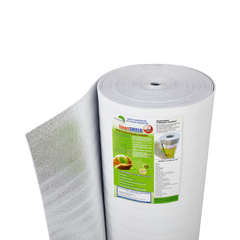
- SmartBUBBLE, on the other hand, is a double-layer reflective bubble insulation that traps air while reflecting radiant heat. This combination provides real thermal resistance for outdoor containers. It’s waterproof, mold-resistant, and easy to cut or wrap around various planter sizes. This makes it practical for seasonal use without worrying about degradation.
- SmartSHIELD also provides superior insulation with its foam core and foil layers. It reflects up to 97% of radiant heat, helping maintain consistent soil temperatures even during extreme weather.

Avoid using materials that trap moisture, such as plastic sheets or non-breathable wraps. Excess moisture increases the risk of mold, fungus, and root rot.
If you’re looking for easy-to-install, affordable insulation that works as well in the garden as it does in your home, our SmartSHIELD Insulation is a smart solution. It’s waterproof, mold-resistant, and reflects up to 97% of radiant heat.
Whether you're insulating a porch full of planters or just a few treasured pots on the patio, you can do it confidently with the right materials, explore SmartSHIELD with us at Insulation MarketPlace.