



Sliding glass doors are one of the biggest sources of heat loss in winter. Large glass panels and aging seals allow cold air to creep in while warm air escapes. This makes rooms harder to heat and drives up energy bills.
Learning how to insulate a sliding glass door for winter helps block drafts, keep warmth inside, and improve comfort throughout the cold season. With the right approach, you can reduce heat loss without replacing the door.
Why Sliding Glass Doors Leak So Much Heat in Winter
Most sliding doors rely on thin glass panes, aging seals, and frames that conduct cold easily.
- Aluminum frames, in particular, transfer outdoor temperatures straight into the home. Over time, worn weatherstripping and small gaps allow cold air to seep in, making nearby rooms feel drafty and uncomfortable.
- Another major issue is surface area. A sliding glass door can be several times larger than a standard window, which increases radiant heat loss. Warm indoor air constantly transfers its energy to the cold glass, lowering indoor temperatures even when the door is fully closed.
Addressing these weaknesses is one of the most effective ways to reduce heating costs. When you insulate sliding glass door for winter, you’re not just fixing a draft, you’re improving your home’s overall thermal efficiency.
How to Insulate a Sliding Glass Door for Winter
Learning how to insulate a sliding glass door for winter starts with stopping heat loss caused by large glass panels and worn seals.
The most effective solutions focus on reflecting warmth back into the room while stopping cold air infiltration at the frame and track.
1. Use Reflective Insulation
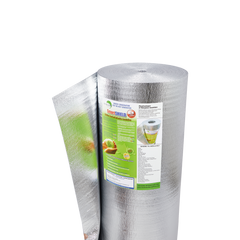
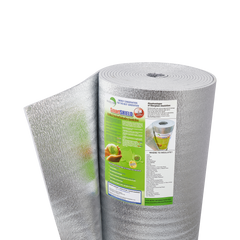
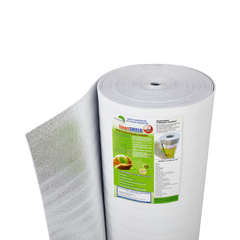
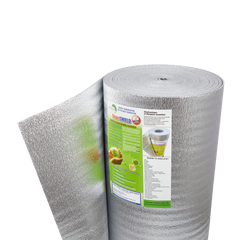
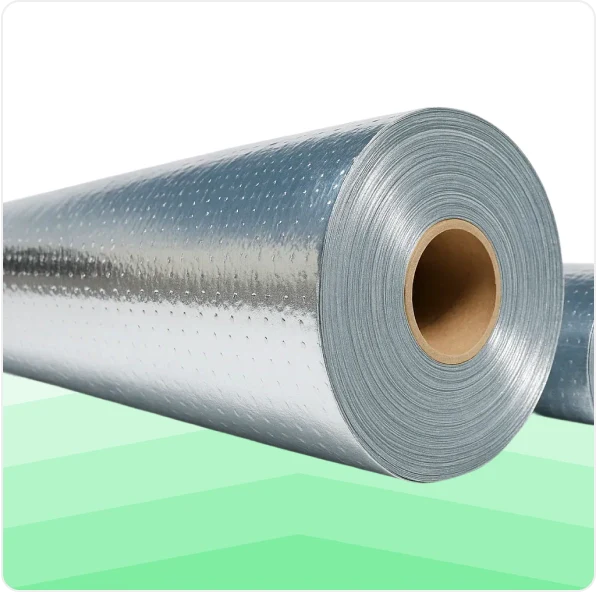
Reflective insulation is one of the most effective ways to insulate sliding glass doors in winter. Products like SmartSHIELD or SmartBUBBLE can be cut to size and fitted directly over the glass panels.
- SmartSHIELD features a foam core layered with reflective aluminum foil, which creates a strong thermal barrier when installed against the glass surface. It can be easily cut to size using scissors or a utility knife, making it ideal for custom-fitting sliding door panels. Once in place, it reflects indoor heat inward while reducing cold radiation from outside.
- SmartBUBBLE uses a bubble core that traps air while also reflecting heat. This dual-action design provides insulation while resisting moisture, making it especially useful in humid or condensation-prone environments.

Both options are lightweight and easy to remove during the day if you want sunlight to enter your space.
Reflective insulation is especially effective because it blocks radiant heat loss, which traditional fabrics or blinds cannot fully address.
For homeowners looking for a practical way to insulate sliding door winter conditions without permanent modifications, reflective insulation offers flexibility and strong performance.
2. Install a Thermal Curtain or Insulated Drape
Thermal curtains help reduce heat loss through sliding glass doors in winter. Thick fabric with thermal backing blocks drafts and slows radiant heat transfer through glass.
For better performance, combine thermal curtains with reflective insulation.
- Reflective insulation reduces radiant heat loss
- Curtains trap warm air near the door
- Together, they create a stronger insulation layer
This method works especially well when insulating sliding glass doors in winter for living rooms or bedrooms.
Installing curtain rods closer to the wall also reduces airflow behind the fabric. The tighter the seal around the door, the better your insulation system will perform.

3. Seal Gaps with Weatherstripping and Caulk
Even the best insulation materials won’t perform well if cold air is leaking through gaps. Sealing the door frame is a critical step when you insulate sliding glass door for winter conditions.
Check the door frame carefully.
- Apply caulk to cracks along the sides and top
- Replace worn seals around the frame
- Install brush style weatherstripping along the bottom track
Weatherstripping blocks airflow without stopping the door from sliding.
When combined with reflective insulation panels, sealed gaps reduce both conductive and convective heat loss.

4. Create a Temporary Insulated Panel
For doors that aren’t used frequently in winter, a temporary insulated panel can provide maximum heat retention.
How to build an insulated panel:
- Cut a foam core board to fit the glass area
- Wrap the board with SmartSHIELD or SmartBUBBLE
- Secure the layers using reflective insulation tape
This creates a lightweight and effective insulation barrier.
Place the panel directly into the door frame. Remove it when needed. The materials resist moisture and do not degrade, so the panel can be reused each winter.
It’s a cost-effective way to insulate sliding glass doors in winter without permanent changes.

Choosing the Right Materials to Insulate Sliding Glass Doors in Winter
Not all insulation materials work well on glass surfaces. Sliding glass doors lose heat quickly, so choosing the right material matters.
Traditional Insulation Materials
Basic options like heavy curtains or plastic film mainly trap air.
They provide limited results and do very little to stop radiant heat loss through large glass panels.
Reflective Insulation for Sliding Glass Doors
Reflective insulation blocks radiant heat directly instead of only trapping air. This makes it far more effective for winter use.
SmartSHIELD reflective insulation
- Closed cell foam core for thermal resistance
- Dual aluminum foil layers to reflect heat
- Acts as a vapor barrier to reduce moisture
- Durable and long lasting
SmartSHIELD is ideal for homeowners looking for insulating sliding glass doors in winter.

SmartBUBBLE reflective insulation
- Bubble core creates air pockets to slow heat transfer
- Reflective surfaces reduce radiant heat loss
- Moisture resistant and easy to install
SmartBUBBLE works well for seasonal insulation and temporary panels.
Why Reflective Insulation Works Better
Unlike fabric-only solutions, reflective insulation actively reflects warmth back into your living space. That’s why it’s often the most effective option when homeowners ask how to insulate a sliding glass door for winter without major renovations.
Long-Term Benefits of Insulating Sliding Glass Doors in Winter
When you insulate sliding glass door for winter, the benefits go beyond comfort.
Key benefits
- Lower heating costs by reducing heat loss
- More comfortable rooms near sliding doors
- Fewer cold drafts during evenings and nights
- Reduced condensation on glass surfaces
- Lower risk of moisture and mold buildup
Insulating sliding doors also reduces strain on your heating system. For even better results, pair sliding door insulation with attic, wall, or garage insulation.

At Insulation MarketPlace, we make it easy to get the right materials quickly. As direct-from-factory sellers, we offer affordable prices, certified performance, and fast shipping from both coasts, so you can start improving comfort without delays.
Browsing our reflective insulation options is a practical first step toward a warmer, more efficient home.