



Proper insulation can make your RV trailer from a metal box which is sensitive to temperature, become a comfortable home on wheels. RV insulation can bring various benefits, including regulating interior temperature, reducing energy consumption, preventing moisture, and dampening road noise. Meanwhile, factory insulation often falls short in extreme weather conditions.
How to insulate a RV trailer? Let’s discover effective insulation strategies to enhance your camping experience by staying warm in winter and cool in summer.
How to Insulate a RV Trailer
RV insulation seems challenging for beginners, but if you have proper research and hands-on experience, it is totally manageable. Let’s learn how to insulate an RV trailer with specific reinforcement techniques for your motorhome's insulation throughout your travels.
RV Windows and Doors
Windows and doors are major sources of heat loss and heat gain. Cold air often enters through gaps around frames, vents, and skylights.
Recommended insulation steps:
- Insert foam strips around door and window frames
- Seal cracks with insulate tape
- Use insulated covers for vents and skylights
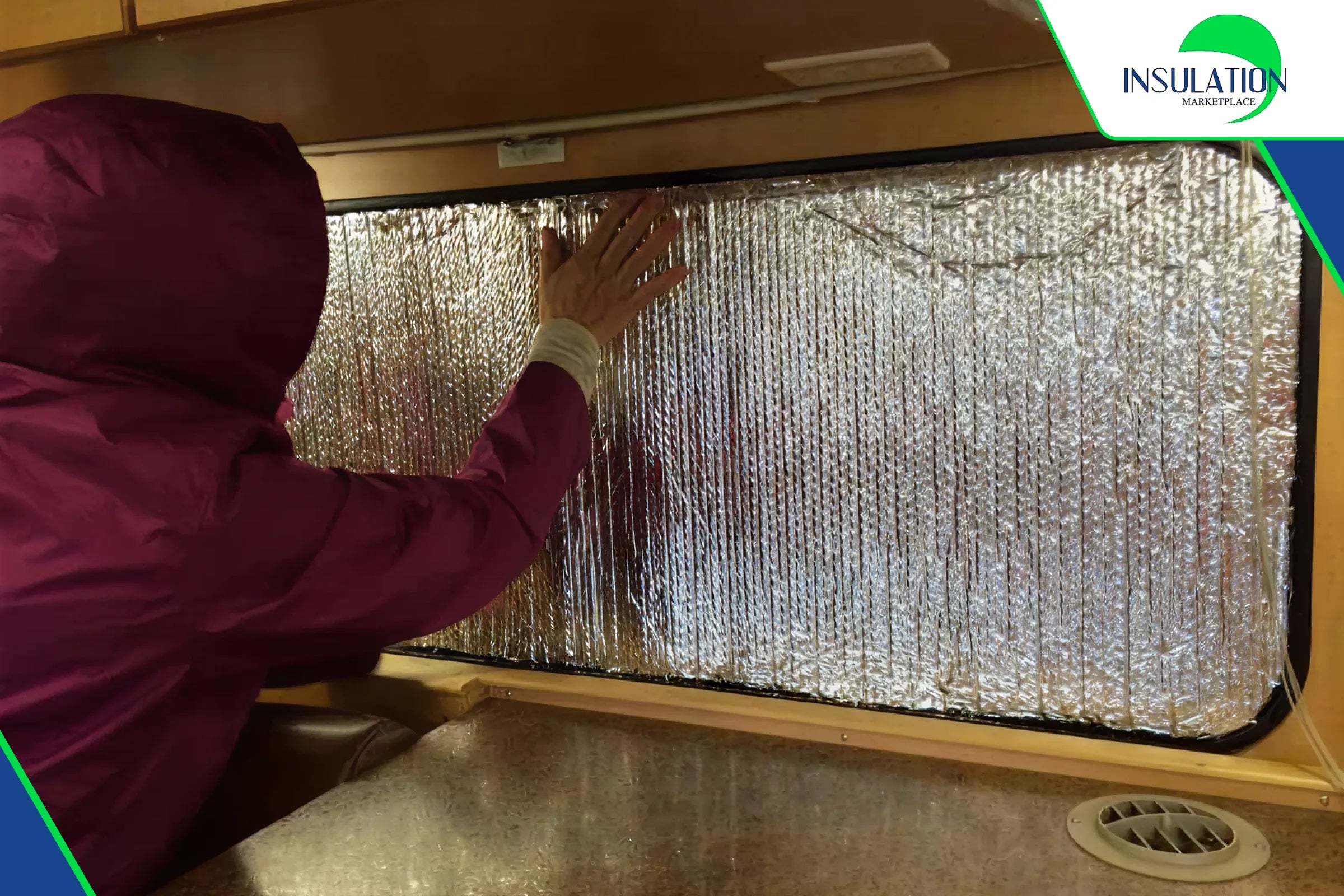
- Install thermal curtains or insulated window shades
These upgrades help stabilize indoor temperatures during summer and winter.
RV Roof and Floor
Your RV's roof plays a major role in temperature control. Most RV roofs use PVC materials with basic fiberglass insulation. Adding extra insulation improves heat resistance.
Roof and floor insulation tips:
- Add reflective or foam insulation layers to the roof
- Upgrade factory insulation when possible
- Place insulated rugs or mats on the floor
Floor insulation is often overlooked but has a strong impact on comfort in cold weather.

RV Walls and Slides
Walls are just as important as the roof when insulating an RV. Many insulation upgrades focus on these two areas together.
Best practices:
- Choose insulation based on climate and durability
- Reinforce slide out sections since they lose heat faster
- Seal gaps where walls meet slide mechanisms
Proper wall insulation reduces temperature swings inside the RV.

RV Plumbing System
Plumbing systems are highly sensitive to cold temperatures. Freezing can damage pipes and holding tanks.
Protection methods:
- Drain plumbing when traveling in freezing conditions
- Use insulated water hoses
- Add insulation to holding tanks
These steps help prevent costly repairs during winter travel.

RV Underbelly
The underbelly is often exposed to wind and cold air. Insulating this area improves overall temperature control.
Effective options include:
- Insulated skirting around the RV perimeter
- Foam boards or weather resistant fabric panels
- Permanent skirting for long term stays
Underbelly insulation helps maintain warmth and protects internal systems.

RV Engine and Generator
Engines and generators need protection from extreme temperatures, especially during long stops.
Recommended actions:
- Use insulated engine and generator covers
- Shield components when parked for extended periods
- Perform regular inspections and maintenance
Proper insulation helps ensure reliable performance in all weather conditions.

7 Tips for Optimizing Your RV Insulation System
Beyond selecting appropriate insulation methods for temperature control, consider several strategies that can enhance your RV's cooling efficiency during hot weather. Here are 7 practical approaches to maintain comfortable temperatures:
- Maximize Your RV Awning's Potential: Set up your outdoor space under the awning for shade protection. Add portable fans or misters underneath for additional cooling. Consider creating a complete shade room using reflective screens or specialized kits with fasteners and poles.
- Install Window Coverings: Limit sunlight penetration by hanging interior window shades or curtains and keeping them closed during daylight hours. External window awnings provide additional protection against heat gain.
- Select Shaded Parking Spots: Choose parking locations that offer natural shade whenever possible. For desert camping or shade-limited areas, consider installing a small canopy above your RV roof.
- Position Your RV Strategically: Orient your RV with the front facing north. This positioning allows your awning to block morning sun while creating afternoon shade for your outdoor seating area during peak heat hours.
- Maintain Your Air Conditioning System: Inspect AC components before trips - check filters and condenser coil fins for cleanliness and damage. Test functionality before departure to ensure reliable operation.
- Deploy Portable Cooling Devices: Use small fans to circulate cool air throughout your RV, reducing AC dependency. Place fans strategically for comprehensive air movement. Consider battery-powered portable AC units for extreme heat conditions.
- Protect Your Water Supply: Elevate drinking water hoses above hot surfaces using cardboard, foam blocks, or wood. Insulate hoses with foam wraps or swimming pool noodles to maintain cooler water temperatures.
Cost of RV Insulation
RV insulation prices depends on three main factors: material, coverage area, and installation method.
Fiberglass offers the most affordable option, while rigid foam represents the premium choice.
DIY installation saves money compared to professional services - a self-installed spray foam project for a campervan typically costs around $400, with professional installation costing more.
Using multiple insulation types increases the overall expense compared to single-material approaches.
Choosing the Best Insulation for Your RV
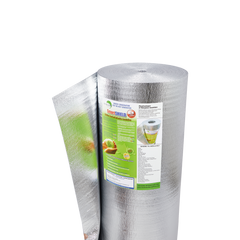
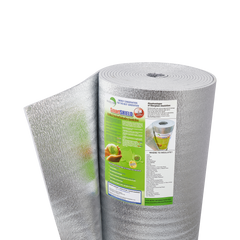
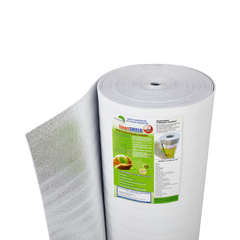
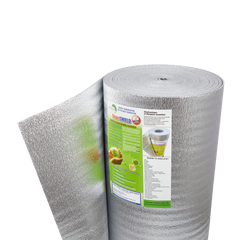
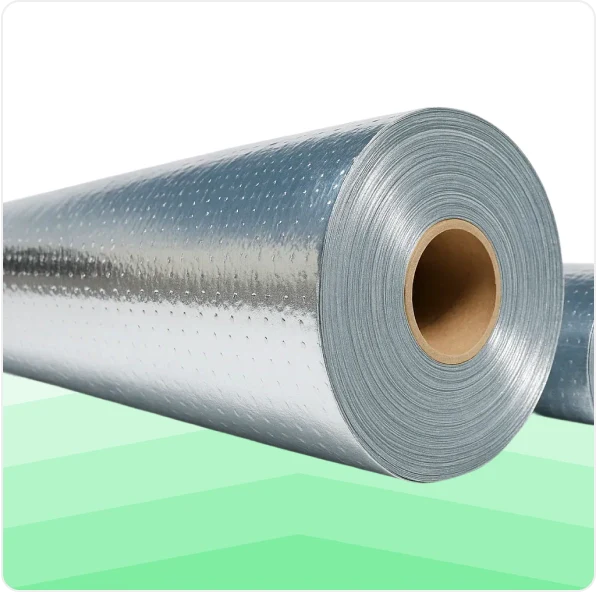
Effective RV insulation makes a significant difference in comfort and energy efficiency during your travels. The DIY reflective insulation sheet from INSULATION MARKETPLACE stands out as a practical solution, featuring a 3mm bubble core between two layers of engineered foil.
This material reflects up to 97% of radiant heat, helping maintain comfortable temperatures year-round.

Key benefits
- Easy to cut and fit around windows and doors
- No special tools required
- Clean removal with no residue
- Suitable for seasonal or long term use
The lightweight design adds very little weight to your RV. At the same time, it provides strong temperature control.
The durability of these INSULATION MARKETPLACE Reflective Insulation Sheets ensures long-term performance, typically lasting several years before replacement. This makes them cost-effective for regular RV users.
Hope this article has help you know how to insulate a RV trailer probably. Visit our online store for premium insulation products at competitive prices.
Our best-selling reflective insulation sheets have earned thousands of positive reviews from satisfied customers.