



How to insulate a porch for winter comes down to sealing drafts, adding reflective barriers, and choosing materials that handle cold and moisture without permanent construction. Many homeowners struggle with chilly porches, wasted heat, and seasonal discomfort.
In this guide, we’ll walk through porch types, step-by-step insulation methods, and practical material choices to help you stay warm all winter.
Why It’s Worth Insulating Your Porch Before Winter Hits
Insulating your porch before winter reduces heat loss, improves indoor comfort, and lowers energy bills by stopping cold air before it reaches your living space.
A properly insulated porch also protects furniture, flooring, and doorways from moisture and temperature swings.
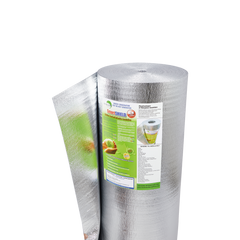
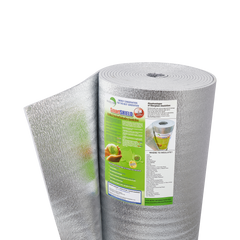
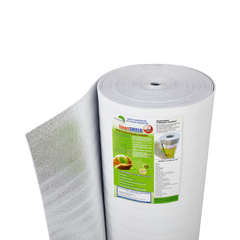
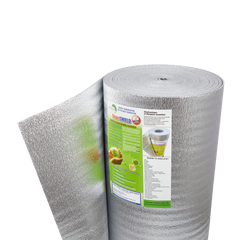
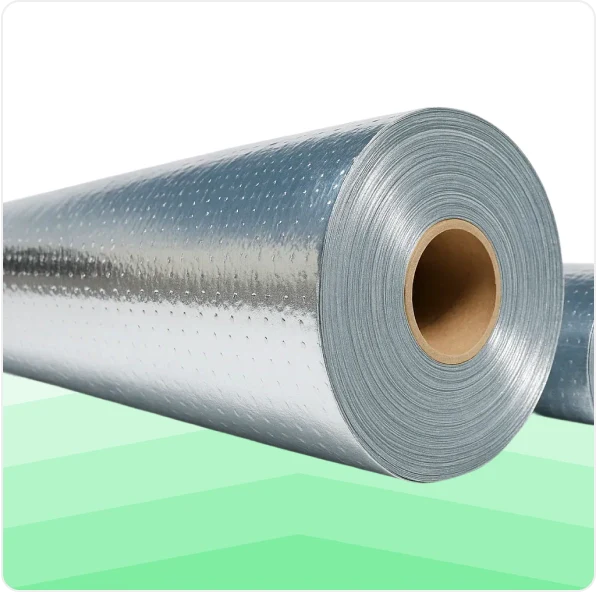
At Insulation MarketPlace, we often recommend moisture-resistant, reflective options like SmartSHIELD and SmartBUBBLE for porch projects because they are lightweight, durable, and well-suited for seasonal use without major renovation.
What Type of Porch Are You Insulating?
The right approach to how to insulate a porch for winter depends on whether you’re dealing with an open, screened, or enclosed structure, each with different challenges and opportunities.
Open Porches
Open porches offer minimal protection from wind, snow, and cold air, which makes full insulation unrealistic. However, that doesn’t mean they’re hopeless during winter. The goal here is wind reduction and temporary heat retention rather than airtight sealing.
Clear vinyl sheeting is a popular solution because it blocks wind while allowing light through. For better performance, backing the vinyl with a thin foam core or reflective layer helps reduce radiant heat loss.
Screened Porches
Many homeowners searching for “how to insulate screen porch for winter” want warmth without sacrificing spring ventilation.
We typically recommend layered insulation: clear plastic or acrylic panels on the exterior side for wind blocking, paired with SmartBUBBLE on the interior. SmartBUBBLE acts as a reflective barrier that traps warm air while remaining lightweight and easy to remove when warmer weather returns.
Enclosed Porches
Enclosed porches are the easiest to insulate effectively because they already resemble interior spaces. If your porch has windows, walls, and a solid roof, you can treat it much like a room addition, just with more attention to moisture control.
Using SmartSHIELD to line interior walls or beneath floorboards improves thermal performance by reflecting radiant heat back into the space. This approach works especially well when the porch has windows, doors, and limited air gaps.

Step-by-Step: How to Insulate a Porch for Winter
When you break how to insulate a porch for winter into manageable tasks, it becomes a straightforward DIY project rather than an overwhelming renovation.
1. Seal Drafts Around Doors, Windows, and Flooring
Air leaks are the biggest enemy of winter comfort.
- Start by inspecting door frames, window edges, and any gaps where the porch meets the house.
- Applying caulking or weatherstripping is inexpensive and immediately effective.
Cold air can also seep in through the floor, especially on raised porches.
- Adding insulation under area rugs or entry mats helps reduce that chill. Even layered mats can make a noticeable difference by slowing heat loss from below.

2. Cover Screen Panels or Window Areas
Screens and single-pane windows are major sources of heat loss. Clear plastic sheeting is ideal because it maintains visibility while blocking cold air.
- To improve performance, back the plastic with SmartBUBBLE, which reflects radiant heat back into the porch.
- Attach panels using removable tape, Velcro, or snap systems so you can take everything down once winter ends. This method is especially effective if you’re trying to insulate screen porch for winter without altering the structure permanently.

3. Insulate Walls and Ceiling (If Applicable)
If your porch has solid walls or a ceiling, adding reflective insulation can dramatically improve warmth.
- SmartSHIELD can be stapled or taped directly to wood framing or flat surfaces. Its reflective aluminum layers help redirect heat that would otherwise escape through exterior walls.
Ceilings are often overlooked, but warm air rises. Insulating overhead surfaces helps maintain a stable temperature and reduces the workload on heaters used in enclosed porches.

4. Don’t Forget the Floor
Cold creeps in from below, especially on porches built over open air. Foam board or reflective insulation sheets placed beneath rugs or carpets help block that upward cold flow.
SmartSHIELD is easy to custom cut around edges, posts, and corners, making it practical for irregular porch layouts. With the right materials and prep, learning how to insulate a porch for winter becomes a simple weekend project most homeowners can handle.

Which Materials to Use to Insulate a Porch for Winter
Not all insulation materials perform well in porch environments, where moisture, temperature swings, and exposure are common. Traditional fiberglass can absorb moisture, lose effectiveness, and become difficult to remove after seasonal use.
- SmartSHIELD is a better option for temporary or seasonal insulation because it resists moisture, reflects radiant heat, and maintains its structure over time. Its foam core adds insulation value without bulk, making it ideal for walls, ceilings, and floors that need coverage without permanent installation.
- SmartBUBBLE outperforms generic bubble wrap because it’s designed specifically for insulation. It’s waterproof, reflective, and mold-resistant, which is critical in porch spaces that experience condensation. Unlike household bubble wrap, it holds up through an entire winter and can be reused year after year.

Both materials are lightweight, easy to cut, and well suited for DIY users who want effective results without construction headaches.
Extra Tips to Keep Your Porch Cozy All Winter Long
Once you’ve addressed the main insulation steps, a few small adjustments can significantly boost comfort. These practical tips help maximize warmth, reduce drafts, and make your insulated porch more enjoyable throughout winter.
- Safe Supplemental Heating: In enclosed porches, a small space heater can provide steady warmth once insulation is in place. Always follow safety guidelines, keep heaters clear of flammable materials, and use models with automatic shutoff features.
- Thermal Barriers at Interior Doors: Hanging thick curtains over interior doors or large window areas helps block cold air transfer. They also create an additional insulation layer that keeps warm air from escaping into the house.
- Draft-Blocking Entry Mats: Place weatherproof mats outside porch entrances and insulated rugs inside to reduce cold air infiltration near the floor. This is especially effective on raised or older porches.
- Smart Furniture Placement: Position seating closer to interior walls and away from exterior edges. This minimizes exposure to colder surfaces and helps the space feel warmer and more comfortable.
Make Your Porch a Year-Round Comfort Zone
The challenge with how to insulate a porch for winter is balancing comfort, cost, and reversibility in a space not originally designed for cold weather. With the right approach, insulating a porch for winter is a manageable DIY project that improves comfort and energy efficiency.
At Insulation MarketPlace, we offer practical reflective insulation solutions that support seasonal upgrades without overselling or overcomplicating the process. Browse our products to find the right fit for your porch and winter needs.