



Learning how to insulate a mobile home for winter is essential if you are tired of waking up to floors that feel like blocks of ice. Unlike traditional houses built on concrete slabs or deep basements, mobile homes sit suspended in the air. This unique design means cold wind circulates directly beneath your feet, stripping away heat and driving up energy bills.
You cannot simply turn up the thermostat to fix this. You need to create a thermal shield around the base of your home to stop the freeze at its source. This guide covers the critical steps for securing your skirting, underbelly, and windows using moisture-resistant materials designed for the job.
Why Mobile Homes Freeze Faster
To solve the problem, you must first understand why it happens. Standard homes usually lose the majority of their heat through the roof. Mobile homes face a different challenge.
The "Bridge Effect": Your home is exposed to the elements on all six sides, including the floor.
Any comprehensive winterizing a mobile home checklist must prioritize the area underneath the structure. Even a small gap in your skirting acts like an open window. It allows freezing wind to rush into the crawl space.
The Result:
- Wind bypasses your floor insulation.
- Plumbing pipes become chilled and prone to freezing.
- A constant temperature deficit creates high heating costs and low comfort.
Priority #1: The Skirting (Your Primary Wind Block)
Many homeowners think checking for holes in the lattice or vinyl is enough. While sealing gaps is important, standard vinyl skirting offers zero thermal resistance. It is just a thin piece of plastic standing between your pipes and a blizzard.
The Smart Fix: The most effective method for insulating mobile home skirting is to line the interior side of the panels with a radiant barrier.
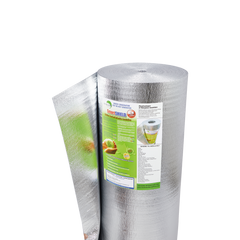
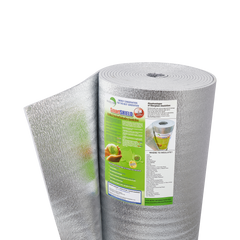
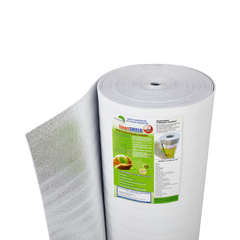
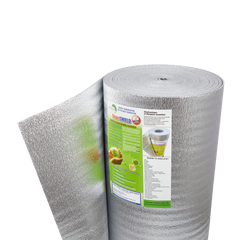
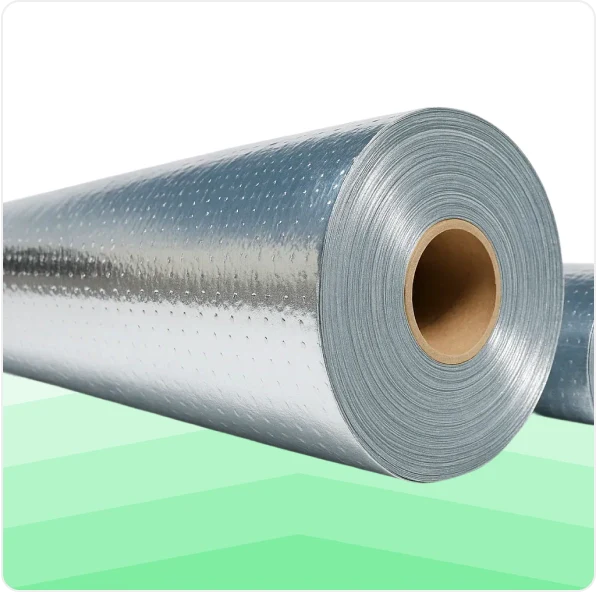
Recommended Material: SmartSHIELD is essential here. Unlike fiberglass batts which can sag or absorb ground moisture, SmartSHIELD is a rigid foam-core insulation with a reflective face.
Installation is simple:
- Cut the SmartSHIELD to size.
- Attach it to the back of your skirting frame.
- This creates a continuous wind block that stops cold air from entering the crawl space.

Priority #2: The Underbelly (Protecting the Pipes)
Once you have secured the perimeter, look up at the underside of your floor joists. This area is known as the "belly."
The Problem: Traditional fiberglass insulation here often becomes a disaster zone. It absorbs moisture from road spray or humidity. This causes it to sag, lose effectiveness, and act like a wet sponge held against your floorboards.
The Solution: Upgrading your mobile home underbelly insulation is critical.
- Repair: Fix any tears in the black plastic belly board to keep rodents out.
-
Insulate:
- Inspect and repair any rips in the belly board membrane
- Attach SmartSHIELD directly beneath the floor joists or along the belly board
- Seal edges with foil tape to prevent air or vapor gaps
Why SmartSHIELD? It is moisture-resistant. It will not rot or grow mold if it gets damp. It acts as a powerful vapor barrier while simultaneously reflecting radiant heat back up into your living space.

Priority #3: Windows and Walls (Stopping Internal Drafts)
Older mobile homes often suffer from thin wall construction and highly conductive aluminum window frames. This makes effective mobile home window insulation a top priority for retaining heat.
Stop the Drafts: Instead of relying on flimsy plastic films that peel off mid-season, consider creating removable inserts using reflective insulation.
- Fit: Cut them to fit snugly into the window frame.
- Function: They block physical drafts and reflect heat back inside.
- Result: A significant upgrade over standard single-pane glass without overworking your furnace.

Why Foil Foam Beats Fiberglass
When choosing the best insulation for mobile homes, moisture resistance is the deciding factor.
Fiberglass Insulation:
- Risk: Absorbs water like a sponge.
- Consequence: Leads to rot, mold, and sagging material that invites rodents.
- Fit: Often too thick for narrow mobile home wall cavities (2x3 or 2x4).
- Benefit: Repels water completely.
- Performance: Provides high thermal performance in a thin profile.
- Durability: Ideal for the damp conditions found under manufactured housing.
Build your Defense Before the Freeze hits
Warmer floors start from the ground up. By mastering how to insulate a mobile home for winter, you stop the cold before it reaches your pipes or your feet.
Securing your skirting, reinforcing the underbelly, and sealing your windows builds a complete defense system that traditional methods simply cannot match.
Explore the full range of reflective products in our online store to find the materials that match your setup. From rigid foam panels to easy-cut DIY window inserts, Insulation MarketPlace has what you need to winterize your home fast, affordably, and effectively.