



Once the temperatures drop, your garage can quickly become the coldest room you never meant to have. That chill doesn’t stay still; It creeps into the rest of the house, bumps up your heating bill, and can be rough on anything you stash out there, whether it is your tools, leftover paint, or even your car’s battery. The upside is that learning how to insulate a garage for winter is far simpler than it sounds. You can skip the heavy construction gear. A few straightforward, DIY-friendly fixes are all it takes to warm things up.
Drafty windows and open seams give heat the perfect chance to escape from a garage with thin walls. Installing insulation and sealing these areas improves comfort and efficiency, making the space more practical for work or storage.
Why Insulating Your Garage for Winter Is Worth It
Insulating your garage for winter is one of those upgrades you feel almost immediately. If you have an attached garage, cold spots there will bleed over into your living quarters. Your heating unit will work harder to provide a pleasant warmth, which typically means an increase in utility bills, as well as a home that is not quite warm enough.
If the garage isn’t insulated, every piece of equipment, cars, and everything else stored inside would be affected by extreme changes in temperature and dampness outside, causing rusting, distortion, and premature aging. Knowing how to insulate garage for winter reduces the penetration of the cold air and the condensation of moisture, and gives you a more comfortable shield for your belongings and better use of the space.
How to Insulate a Garage for Winter
Once you know where the heat escapes, you can start building a warm, efficient winter setup.
1. Start With the Garage Walls and Ceiling
Most heat escapes through the walls and ceiling, which are the garage’s largest surfaces. Framed walls are often bare, and even finished spaces can fall short on insulation.
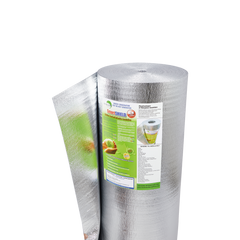
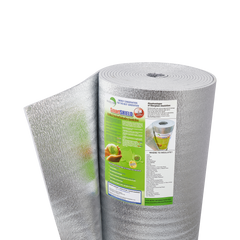
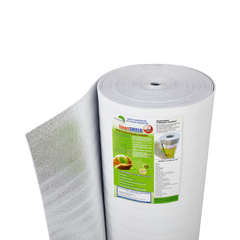
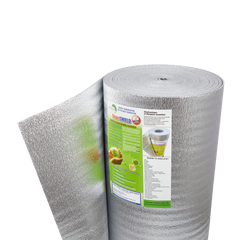
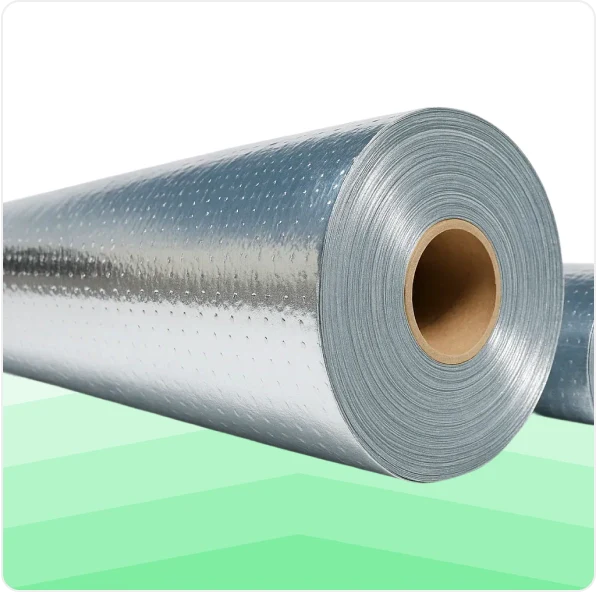
The good news is that reflective insulation changes how your garage holds heat. Reflective SmartSHIELD foam core insulation uses foil that bounces warmth right back inside, and the foam core keeps the cold from creeping through the walls. The combo helps your garage stay much more comfortable.
It's easy to put up SmartSHIELD in between your studs and rafters, even if you’ve just started to search for how to insulate a garage for winter and don't have a lot of experience. With its flexible, light, and water-resistant characteristics, it only takes a few minutes to install in tight spaces, but it lasts longer compared to other insulations.

2. Do Not Forget The Floor and Base Perimeter
Concrete garage floors are capable of dissipating heat from the air even faster than almost any other surface. Since concrete takes more time to absorb and release cold, your garage will be cold for quite a while, even when it is warm outside.
A fast way to warm up that icy garage floor is by laying down carpet runners or thermal mats. They keep heat from getting sucked into the concrete and make the floor feel a lot more comfortable. If you get real winters where you live, throw a layer of rigid board or closed-cell foam on the slab first and then add your mats.
Another key detail is sealing the bottom of the walls. The joint between the framing and concrete often hides small gaps that let cold air in. Using caulk or foam sealant around that entire base helps contain warm air. These upgrades create a noticeable improvement in how to insulate a garage for winter effectively.

3. Address the Garage Door With a Specialized Kit
Your garage door is a major source of heat loss, especially if it’s a traditional metal panel door with no insulation. If you are trying to warm up the space fast, check out the SmartGARAGE insulation kit. It is made for garage doors, adds solid R8 insulation, and includes a reflective layer that keeps radiant heat from escaping. It delivers a lot of warmth for very little effort.
Want the full how-to? Our upcoming article on how to insulate a garage door for winter has you covered. It lays out the steps clearly and shows you how to keep the entire garage warm and steady through the cold months.

4. Windows, Vents, and Air Gaps
Even well-insulated walls can’t fight off a drafty window. Single panes let heat escape almost instantly. A simple trick is to cut SmartBUBBLE or SmartSHIELD panels to fit snugly into window frames. Their reflective surface sends warmth back into the garage while keeping the cold at bay.
Even small openings around outlets, vents, faucets, and fixtures can let warmth slip away if ignored. These gaps allow colder air to get in and dilute your insulation efforts. Don’t forget to apply a line of caulk or a mist of foam sealant to seal them and boost your total heat keeping.
Side doors can be little escape routes for warmth. Fit a door sweep at the bottom and seal the frame with weatherstripping to block the cold air.

A Warmer Garage Means a Warmer Home in Winter
A garage can serve many purposes, from a workshop and utility room to a simple storage space, but without insulation, it loses heat fast and becomes uncomfortable to use. Improving the building envelope changes immediately. You get lower heating costs, fewer condensation issues, and a safer spot for anything you need to store during the cold season.
Garage insulation for winter doesn’t have to be a headache. SmartSHIELD and SmartBUBBLE products offer seamless, low-profile integration with easy installation and effective moisture management, ideal for any user level. A little effort goes a long way, giving your garage instant cozy vibes.
If you are ready to upgrade your garage before the next cold front arrives, explore the full collection of insulation products from Insulation MarketPlace. You will find DIY friendly options designed to help you winterize any space with confidence and high performance.