



Once temperatures drop, even a newer garage door can lose heat fast. Thin metal or composite panels transfer cold easily, and small gaps around the frame let in drafts that lower the temperature even more. Understanding how to insulate a garage door for winter helps you keep that heat contained and improves energy efficiency across your whole garage.
Choosing a garage door insulation kit for winter or DIY, insulating your garage door for winter essentially builds a tight, moisture‑blocking barrier that prevents cold air from sneaking in and keeps warmth locked in. Even a simple install makes a big difference; you’ll notice it immediately.
Why Garage Doors Lose Heat So Easily in Winter
If your garage feels brutally cold in winter, you’re not imagining it. Standard garage doors are usually thin metal or composite panels with minimal thermal resistance. They might appear durable, but in terms of how to insulate a garage door for winter, they’re basically large heat-transfer surfaces that let warm air disappear and allow cold air to move right in.
The issue is that the majority of typical garage doors have very little insulation. This means that all of the heat you attempt to retain soon disappears, while moisture and chilly air creep in around the borders. Before you know it, everything within is chilled as the door itself transforms into a massive, icy surface. Lack of insulation can make life quite miserable when you store crafts, tools, or other items there.
Therefore, the first thing to realize when considering winter garage door insulation is that your typical door is not helping you. You need a solution that plugs the drafty edges and prevents radiant heat loss, and finding the best garage door insulation for winter is exactly what you need to do.
The Best Way to Insulate Garage Door for Winter Climates
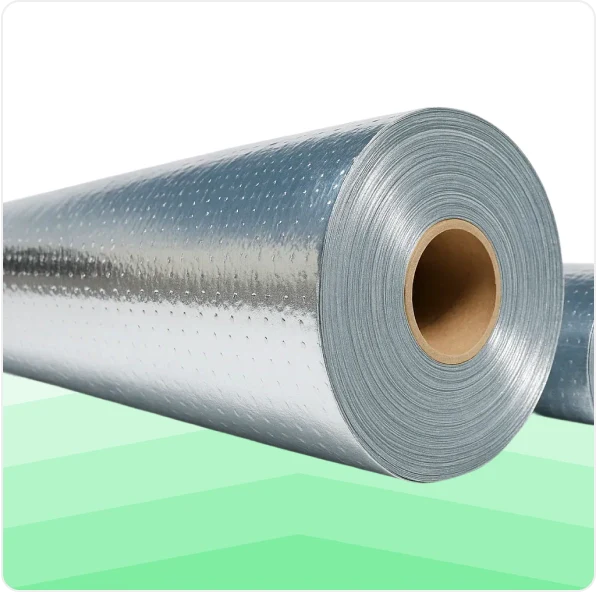
A garage door insulation kit for winter is your best bet when you want to warm things up without blowing your budget. Go for a kit designed with radiant materials that bounce heat back into the room and are lightweight and moisture-resistant. That combo gives you steady winter performance without stressing your door.
When you’re figuring out how to insulate a garage door for winter, the best kits do more than add padding. They reduce real heat loss while staying light enough not to strain your springs or opener. Pre-cut panels make the job even easier, giving you a cleaner, faster install with reliably snug alignment.
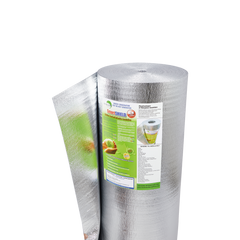
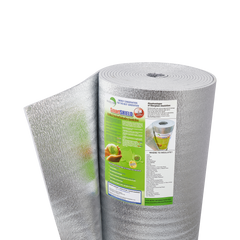
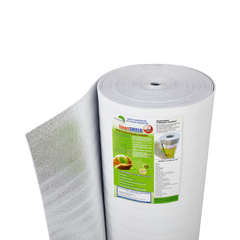
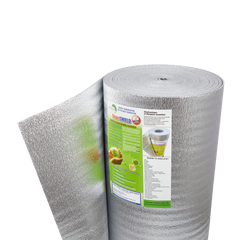
Opt for the SmartGARAGE Reflective Insulation Kit. This product ticks every box:
- R-8 insulation value, which is a major upgrade from zero
- Pre-cut panels for a clean fit (no measuring madness)
- Installs without tools or fancy gear
- Works on single and double-garage doors
- Keeps the door looking neat from the inside, too
The SmartGARAGE garage door winter insulation kit is the quickest method to make your garage usable in the winter, whether for hobbies, storage, or just to make it more comfortable.

How to Install a DIY Garage Door Insulation for Winter
You don’t need to be handy with power tools or a construction pro to pull this off. With the correct equipment, installing DIY garage door insulation for winter may be completed by one person.
Here's how to complete it step-by-step:
- Step 1: Use a dry towel or a mild cleanser to clean the garage door panels. Let them dry completely.
- Step 2: If your kit isn’t pre-cut, measure each panel part.
- Step 3: Make sure each insulation piece is cut to match the panel dimensions. If you’ve got the SmartGARAGE Kit, the panels come pre-sized, so there’s no cutting needed.
- Step 4: Place the insulation inside the panel recesses so it fits tightly. That snug fit keeps everything looking sharp and prevents shifting.
- Step 5: Secure everything using the friction-fit design or sticky pads that are included. This ensures no drilling, no mess, and no door damage.
Compatible with composite, metal, and vinyl doors, the SmartGARAGE Kit gives you a snug, reliable fit. It holds up against moisture and helps block out the cold so your garage stays warmer all season.
What Not to Use for Garage Door Insulation in Winter
It’s easy to think any insulation will do, but not everything holds up in a garage environment. To avoid moisture issues or door problems later, here’s what you should steer clear of.
- Keep fiberglass batts away from your garage door. They’re thick, droopy, and they function like a moisture magnet. In a cold garage, this typically leads to mold or moisture problems. Furthermore, because they’re bulky, they can knock off your garage door springs.
- Be cautious with foam board, too. If foam board can’t handle moisture, it’s going to bow, sag, or slowly fall apart. Even worse, thick chunks or rough cuts can jam up your garage door and turn the whole project into a headache.
Instead, go for a radiant insulation material. Rather than absorbing heat, it bounces it right back into the room, which makes a tremendous difference in winter. Its practical, slim, light design also minimizes moisture accumulation in garages in cold weather and damp conditions.
For a quick breakdown of your insulation options, check out this helpful guide: Best Garage Door Insulation Types
Make Your Garage Winter-Ready the Smart Way
Garage spaces frequently have poor thermal performance, but insulation can fix it. When you know how to insulate a garage door for winter, you not only upgrade the building's heat retention capacity but also increase the HVAC system's efficiency and create a more favorable environment to protect equipment, tools, and other storage items.
The most important part of that strategy? Insulating the garage door. It’s a huge, exposed surface that commonly lacks proper protection. Pick a lightweight, moisture-proof reflective insulation, and you’ll get a cleaner install and a setup built to handle winter conditions. It stays dry, performs consistently, and won’t interfere with your garage door hardware. It’s simply a better fit for garage environments.
If you want to improve comfort without wrestling with a complicated setup, the SmartGARAGE Kit makes it simple. It’s efficient, clean, and built for quick results.