



Your camper's going to turn from a comfy getaway to a frozen box on wheels if you don't insulate it right when the colder temps start rolling in. Apparently, RVs and campers don't have thermal barriers like houses do, so they don't work for winter or freezing weather. So if you're a winter traveler, you’re probably wondering, Are RVs insulated for winter? Here’s your answer: not well enough!
Luckily, it’s not that complicated to learn how to insulate a camper for winter use if you use the proper techniques and materials. Not only will you be able to enjoy your RV or pop-up camper during the winter with increased warmth (but still stay mobile), but also experience energy efficiency.
Why Camper Insulation Matters in Winter
Heat dissipates from camp trailers differently than from home dwellings. Due to the lightweight nature of camper trailers and pop-up campers, all heat is lost within camp trailers through the floors, windows, ceilings, and doors much quicker than it does within your standard home. This even happens more quickly when large amounts of cold air are moving underneath the entire trailer.
One of the biggest misconceptions when people search for how to insulate a camper for winter use is that newer RVs are already equipped for cold weather. While some may have minimal insulation, most standard models don’t stand a chance in sub-zero climates. That’s where reflective insulation makes all the difference.
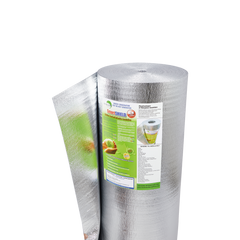
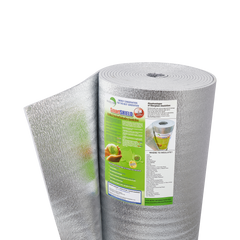
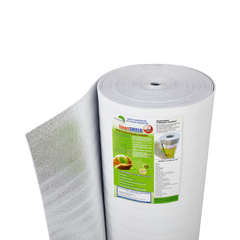
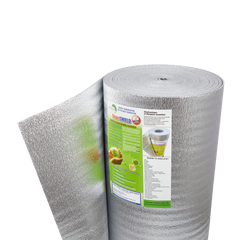
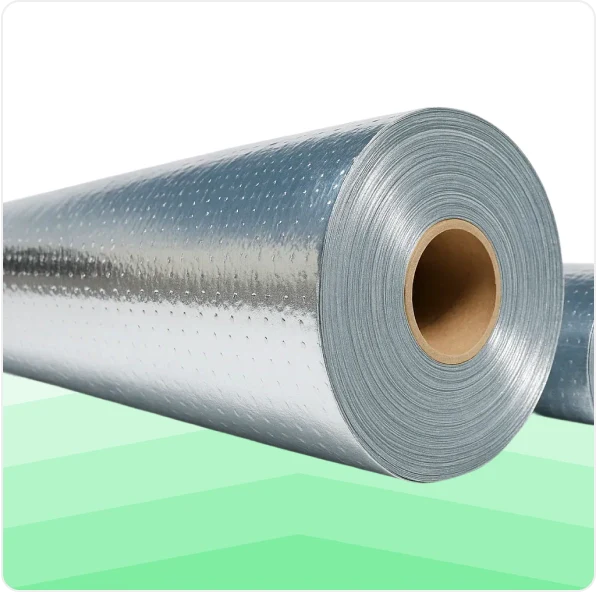
Unlike bulky fiberglass or foam board insulation, reflective insulation (like SmartSHIELD or SmartBUBBLE) works by bouncing radiant heat back into your space. It’s thin, lightweight, moisture-resistant, and incredibly easy to install, ideal for DIYers and full-time RVers alike.
How to Insulate a Camper for Winter
Before you grab a space heater or electric blanket, start by insulating the areas where heat escapes most. Here's your step-by-step how to insulate a camper for winter use to winter-proof your camper efficiently.

1. Insulate the Camper’s Floor and Undercarriage First
In winter, the floor loses heat fast, especially with cold air constantly moving underneath. Start by tackling the camper’s floor and undercarriage because this is the best way to insulate an RV for winter.
Insulating a camper for winter living isn’t that hard; you just need to add a solid layer under the subfloor. SmartSHIELD works great here since it’s lightweight, easy to cut, moisture-resistant, and has a reflective surface that helps push heat back inside. We recommend using it along the undercarriage, subfloor, and skirting to boost overall RV insulation for winter. Inside, throw down some thermal rugs or insulated mats for extra warmth.
With the right setup like this, your camper will feel far more winter-ready, even if you’ve wondered whether RVs are insulated for winter in the first place.

2. Reflective Window Inserts That Stop Drafts
Windows in campers are one of the biggest trouble spots since drafts sneak in fast and steal heat. The best way to insulate RV for winter is to make your own reusable thermal inserts with the DIY Reflective Insulation Sheet. It’s easy to cut, lightweight, and way sturdier than those temporary plastic films or shrink-wrap kits that only last a season. Stick them right into the frame of those windows in your RV with other upgrades, and you'll have a ton more RV insulation for winter months ahead. One trick is to install them in the evening to keep the warm air trapped inside your RV overnight. When you wake up the next morning, take them out to get natural sunlight.
For additional tips on how to insulate an RV trailer, refer to our guide on how to insulate an RV trailer.

3. Camper’s Walls, Ceilings, and Pop-Out Areas
One trick of how to insulate a pop up camper for winter is choosing materials that keep things warm but still feel light and low-profile. Thin foam-core radiant insulation works perfectly for this because it gives you solid thermal protection while keeping everything lightweight and low-profile.
You can line interior walls, ceilings, overhead panels, and even those small hatch doors with it. If you want an easier install, the adhesive-backed options like SmartSHIELD Plus stick right on and save a ton of time. Remember to inspect the slight openings around slide-outs, cupboards, and storage areas because those locations permit more chill air than you might imagine. With a mindful blend of thin insulating panels and secured edges, you can significantly enhance comfort without restricting your RV.

4. Portable Thermal Curtains and Door Insulation
Doors and partition areas leak more heat than most people realize, so if you’re trying to nail down how to insulate an RV for winter use, a smart move is to give them extra attention.
The good news is you don’t have to rebuild anything to make a big difference. You can put together simple thermal curtains using SmartSHIELD or SmartBUBBLE and hang them with velcro or small magnets along doors or interior dividers. They are light, simple to take out, and excellent for sectioning warmer spots like the sleeping area. This type of arrangement offers additional warmth without hindering your regular camper activities.
If you desire more suggestions for securing the remainder of your vehicle, explore how to insulate a pop-up camper for a useful next move.

Build Your Cold-Weather Camper Setup Now
You've probably noticed by now how much more comfortable and cozier your camper gets when you cover the main areas: the floor and underneath, windows, walls and ceilings, slide-outs and pop-outs, and of course, doors and partitions.
Figuring out how to insulate a camper for winter use isn’t just about staying cozy. It actually solves several cold-weather problems at once. It cuts down on heating costs, keeps condensation under control, and helps your camper stay steady through those long, freezing nights.
If you want materials that are easy to install and actually work, take a look around the Insulation MarketPlace online store. Everything from lightweight radiant rolls to adhesive-backed options is right there and ready to go.
Don’t wait for the next freeze. Gear up your camper with high-performance reflective insulation today and enjoy a winter on the road without the chill.