



If you are researching quonset huts, one of the first things you want to know is the price.
The honest answer: it depends.
A basic kit can start at a few thousand dollars, while a fully finished building can run well over $100,000.
This guide breaks down every major cost factor so you can plan your budget with confidence, whether you are building a garage, a workshop, a farm storage building, or something else entirely.
What Is the Average Cost of a Quonset Hut
Price Per Square Foot
Most quonset hut kits are priced between $10 and $30 per square foot. This covers the steel arch panels, fasteners, and basic assembly materials. Larger buildings tend to cost less per square foot than smaller ones, simply because the fixed costs are spread across more space.
Typical Total Cost Range
For smaller huts used as single-car garages or storage sheds, prices can start around $5,000 to $10,000 for the kit alone. Medium to large structures, such as workshops or agricultural buildings, can range from $20,000 to $100,000 or more depending on size, materials, and customization.
What Factors Affect the Cost of a Quonset Hut
Size of the Building
Size is the single biggest cost driver.
Wider and taller structures require more steel and heavier engineering. That said, buying bigger often lowers your cost per square foot, so it can be more economical to size up slightly if you expect to need more space later.
Steel Thickness and Quality
Quonset huts are made from galvanized or Galvalume steel. Key points to know:
- Thicker steel (lower gauge numbers) costs more upfront
- Heavier gauge holds up better under heavy snow, high winds, and extreme weather
- If you are building in a harsh climate, investing in thicker steel is usually worth the extra cost

Steel gauge and structural sizing are the two biggest variables affecting material cost in quonset hut kits.
Customization and Design
Standard kits are the most affordable option. Every addition increases the total cost:
- Insulated panels
- Roll-up garage doors
- Skylights and interior walls
- Specialty uses (livestock barns, cold storage, residential) require more custom components
Location and Shipping
Quonset hut kits are shipped directly from manufacturers, and delivery costs vary by distance. Remote or hard-to-access sites may require additional logistics and freight charges.
Always confirm delivery fees before purchasing, as they can add several hundred to several thousand dollars to your total.
Labor and Installation
Many buyers choose to assemble their quonset hut themselves:
- DIY installation is possible with basic tools and a small crew
- DIY can reduce labor costs by 30 to 60 percent
- Hiring a contractor: expect to pay $6 to $20 per square foot for erection labor on top of the kit price
Hidden Costs Most Buyers Overlook
The kit price is just one piece of the puzzle. Here are three costs that often surprise first-time buyers:
|
Cost item |
Typical Range |
Notes |
|
Foundation |
$4 – $8 per square foot |
Concrete slab or perimeter footings |
|
Permits & Regulations |
$500 – $2,000+ |
Some regions require engineer-stamped drawings |
|
Interior Finishing & Utilities |
$10 – $50+ per square foot |
Electrical, plumbing, lighting, interior walls |
How Insulation Affects the Total Cost

Reflective insulation being installed along the curved interior of a metal quonset hut
Why Insulation Is Necessary
Quonset huts are made from steel, which transfers heat quickly.
Without insulation, the interior can become extremely hot in summer and lose heat rapidly in winter. This makes the space uncomfortable to work in and drives up your heating and cooling costs significantly.
For any Quonset hut used as a workspace, storage, or living area, insulation is not optional. It directly impacts usability and long-term operating cost.
Long-Term Cost Savings
Insulation adds to the upfront build cost, but it significantly reduces ongoing expenses.
A properly insulated Quonset hut can lower energy usage by up to 40 percent, depending on climate and usage. Over time, this reduces utility bills and helps stabilize indoor temperatures.
In most cases, insulation pays for itself through lower operating costs and improved comfort.
Best Insulation Options for Quonset Huts
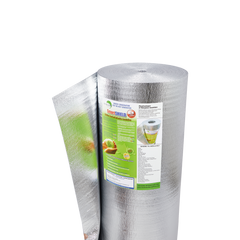
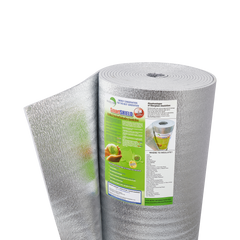
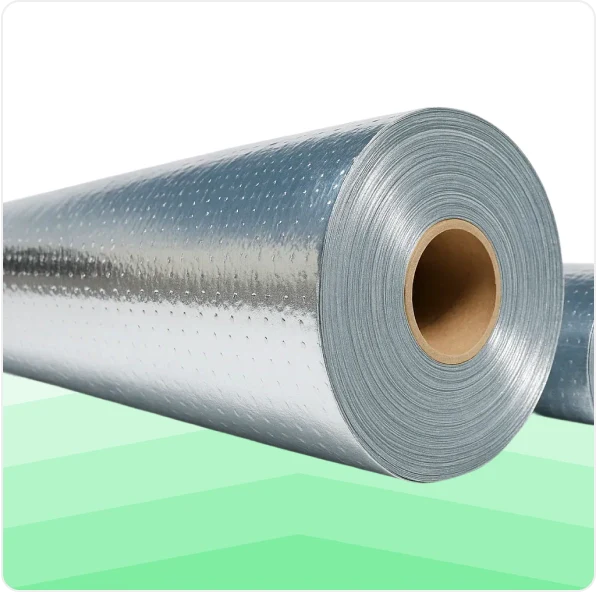
SmartSHIELD 10mm
SmartSHIELD 10mm reflective insulation uses a foam core with a reflective foil layer to block radiant heat and help stabilize interior temperatures.
It is lightweight, easy to cut and install, and works well in moderate climates.
Best for:
- Walls and ceilings
- Mild to moderate climates
- General-purpose buildings

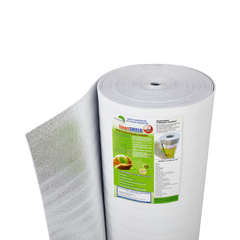
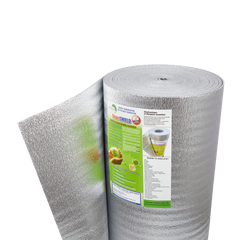
SmartSHIELD 20mm
SmartSHIELD 20mm offers a thicker foam core for stronger thermal resistance.
It is ideal for larger Quonset huts or buildings exposed to significant heat or cold..
Best for:
- Roof systems and large structures
- Hot or cold climates
- Projects focused on energy efficiency

How to Reduce the Cost of a Quonset Hut
Choose the Right Size
It is tempting to go big, but building more than you need adds cost without adding value. Think carefully about how you will actually use the space and choose a size that fits your realistic needs.
Consider DIY Installation
If you are comfortable with basic construction, assembling your own quonset hut is very achievable:
- Most kits are designed for DIY assembly and come with detailed instructions
- Savings of 30 to 60 percent on labor costs are realistic
- Basic tools and a small crew are all you need to get started
Invest in Insulation Early
Adding insulation during the initial build is cheaper than retrofitting it later. Doing it right the first time also means better performance from day one, and you avoid the hassle of working around an already finished interior.
Where to Find Insulation for Quonset Huts
Choosing the right insulation for a metal building is important. You want materials designed to handle the unique challenges of steel structures, including condensation control, radiant heat, and curved surfaces.
Insulation MarketPlace offers a wide range of solutions built for metal buildings like quonset huts. From reflective barrier products to foam core options, their catalog is focused on helping you reduce heat transfer and improve energy efficiency. Whether you are just getting started or ready to finish your build, their team can help you find the right product for your budget and climate.
Explore all metal building insulation options to find solutions matched to your project.
FAQs
How much does a basic quonset hut cost?
Smaller kits for storage or a single-car garage can start around $5,000 to $10,000 for the kit only, not including foundation or labor.
Are quonset huts cheaper than traditional buildings?
Yes, in most cases. Their simple arch design requires less labor to erect and fewer structural components than conventional steel or wood-frame buildings.
Do quonset huts need insulation?
Yes. Steel transfers heat quickly, so without insulation, the interior temperature will be difficult to manage. Insulation is especially important if you plan to work or spend time inside the building.
What is the biggest cost factor for a quonset hut?
Size, foundation, and customization have the biggest impact on total cost. The kit price is just a starting point, and additional expenses like permits, labor, and interior finishing can significantly increase the final number.