



Metal buildings are often chosen for their incredible durability and low maintenance needs compared to wood structures.
Whether you are planning a commercial warehouse, a barndominium, or a simple backyard workshop, the longevity of the structure is likely a primary reason for your choice.
While steel is strong, it is not invincible. Understanding the factors that influence the lifespan of your investment ensures it remains standing and functional for generations. The answer to how long do metal buildings last is not a single number but a range defined by quality, climate, and care.
Average Lifespan of Metal Buildings
When you ask how long do metal buildings last, the general industry consensus suggests a lifespan of 40 to 60 years or more with proper care.
However, this timeframe varies significantly based on the intended use and construction quality.
- High-quality commercial steel buildings often exceed 50 years of service life because they use heavy-gauge steel and advanced protective coatings.
- Agricultural buildings and pole barns typically last between 30 and 50 years, depending heavily on exposure to animal waste and moisture levels.
- Residential metal homes, or barndominiums, frequently outlast traditional wood-framed houses because they are resistant to termites, rot, and fire.
- Properly built and maintained structures can remain structurally sound for over a century, provided the steel frame is protected from corrosion.
- Design choices made during the planning phase, such as roof pitch and foundation type, play a critical role in extending this timeline.
What Affects How Long Metal Buildings Last
The durability of steel gives it a head start, but environmental factors constantly work against it. Rust is the primary enemy of any metal structure. If you control the factors that cause corrosion, you significantly extend the building's life.
Steel Quality and Coatings
The type of metal used is the foundation of longevity. Galvalume panels, which are coated with a mix of aluminum and zinc, generally resist corrosion better than standard galvanized steel.
- Thicker gauges of steel withstand physical damage from hail or debris better than thinner, cheaper alternatives.
- Factory-applied paint finishes add an extra layer of protection against UV rays and moisture.
- Choosing the right fasteners is equally important, as cheap screws can rust quickly and compromise the integrity of the panels.
Climate and Environment
Your location dictates the stress put on the building. Coastal areas with salt air accelerate corrosion, requiring specialized coatings and frequent maintenance.
- Heavy snow loads require stronger framing to prevent structural fatigue over time.
- High humidity regions pose a constant threat of rust if airflow and moisture are not managed.
- Intense sun can degrade paint and sealants, eventually exposing the raw metal to the elements.
Maintenance Habits
Neglect is often the reason a metal building fails early. Simple tasks performed regularly prevent minor issues from becoming structural failures.
- Cleaning debris from gutters and roof valleys prevents water from pooling and causing rust.
- Tightening loose screws and replacing worn washers keeps water from leaking into the wall cavities.
- Washing the exterior annually removes dirt and pollutants that can eat away at protective coatings.
The Role of Insulation in Metal Building Longevity
Many people view insulation solely as a way to lower energy bills, but for metal buildings, it is a structural necessity. Without it, the metal is exposed to rapid temperature changes and moisture buildup, both of which shorten the building's life.
- Poor insulation allows condensation to form on the interior metal skin, leading to "building sweat" that drips onto the frame and floor.
- Continuous moisture contact causes rust to form from the inside out, often going unnoticed until the damage is severe.
- Insulation acts as a buffer against extreme temperature swings, reducing the expansion and contraction stress on the metal panels and fasteners.
- A proper vapor barrier prevents warm, moist interior air from reaching the cool metal surface, effectively stopping condensation before it starts.
- How long do metal buildings last is directly tied to how dry the structure remains throughout the year.
SmartSHIELD Insulation for Longer Lasting Metal Buildings
To maximize the lifespan of your metal building, choosing the right insulation is critical. Insulation MarketPlace offers specialized reflective insulation that addresses the unique challenges of metal structures.
Controlling Moisture and Heat
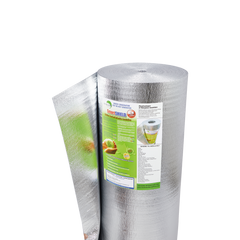
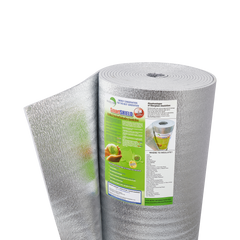
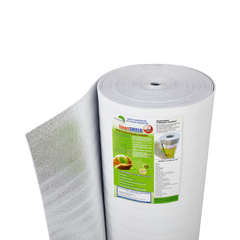
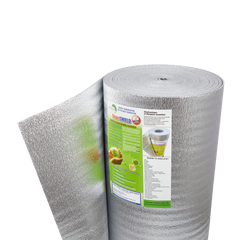
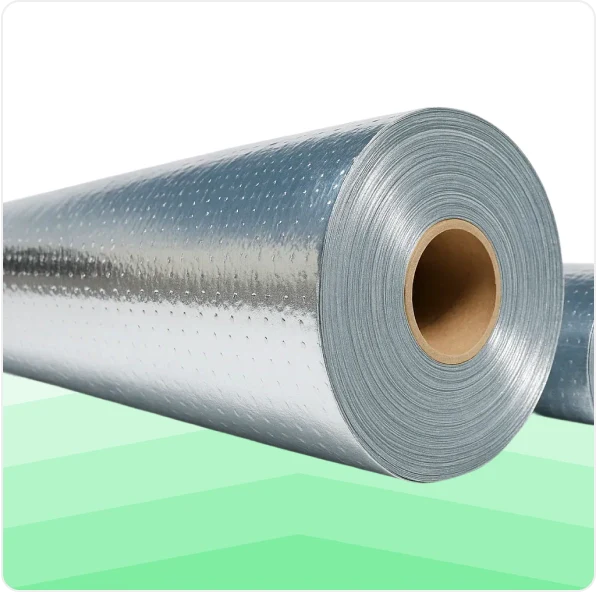
SmartSHIELD is designed to be more than just a thermal barrier. It features a core of closed-cell polyethylene foam sandwiched between double-sided 99% reflective foil.
- This composition reflects up to 97% of radiant heat, keeping the building cooler and reducing thermal stress on the structure.
- The closed-cell foam acts as a vapor barrier, preventing condensation and the resulting mold or rust that degrades metal.
- It resists moisture, mold, and mildew, ensuring the insulation itself does not become a hazard to the building frame.
Choosing the Right Thickness
Different climates and building types require different levels of protection.
- SmartSHIELD 10mm provides a robust thermal break ideal for most residential and commercial applications where space is a factor.
- SmartSHIELD 20mm offers maximum thermal resistance and durability for extreme climates or buildings requiring superior temperature control.
- Both options are non-toxic and provide a clean, finished look to the interior while protecting the exterior shell.

Installation and Long Term Protection
Even the best insulation fails if it is installed poorly. Gaps and seams are weak points where moisture can penetrate and air can escape.
- Proper installation ensures a continuous barrier, eliminating air gaps where condensation thrives.
- SmartSHIELD comes in large rolls, which means fewer seams across the walls and roof compared to smaller products.
- Taping seams creates a sealed system that protects the metal frame from interior humidity.
- Easy installation means less handling time and fewer chances for errors that could compromise the building's envelope.
- A tight seal reinforces the structural integrity by maintaining a stable internal environment, directly influencing how long do metal buildings last.
Making a Metal Building Last for Decades
Longevity is a choice made during the planning and construction phases. While it is tempting to cut costs on invisible elements like insulation, doing so often leads to expensive repairs down the road.
To build for the long term:
- Invest in materials that help reduce moisture buildup and thermal stress
- Treat insulation as a core protective system, not an afterthought
- Perform regular inspections to catch small issues early
How long do metal buildings last? It largely depends on the quality of thermal and moisture protection installed from day one.
At Insulation MarketPlace, we offer high-performance reflective insulation designed to support long-term durability and energy efficiency. Explore our SmartSHIELD reflective insulation collection and choose the right thickness for your project.
Protect your building now so it performs for decades to come.