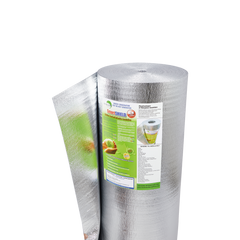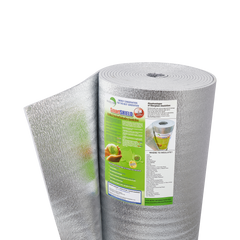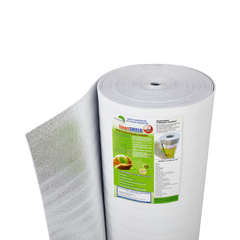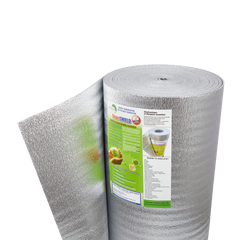


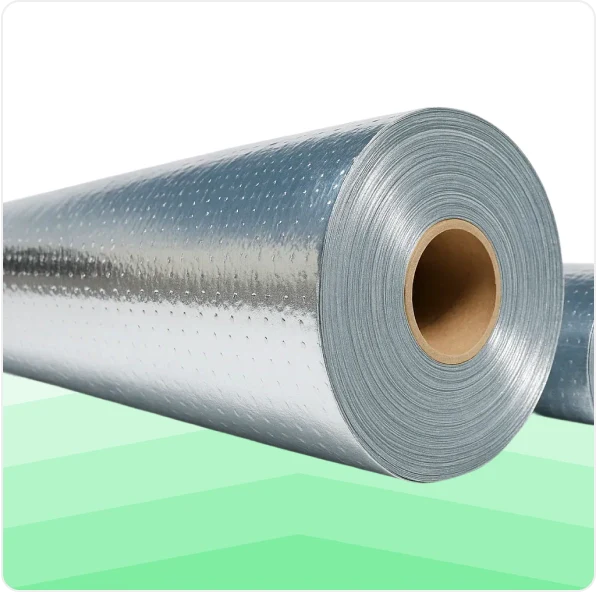


Double bubble insulation for metal buildings works by reflecting radiant heat and acting as a vapor barrier to solve temperature swings and condensation issues.
This lightweight, foil-faced material is a practical solution for making metal structures comfortable and energy-efficient year-round.
What Is Double Bubble Insulation
Double bubble insulation consists of two layers of enclosed air bubbles sandwiched between highly reflective foil surfaces
The foil reflects radiant heat away from the building, while the trapped air bubbles create a small thermal break between the metal shell and interior space. Unlike fiberglass batts, it doesn’t absorb moisture or shed fibers during installation.
It’s commonly used in:
- Pole barns
- Metal garages
- Workshops
- Agricultural buildings
- RV storage buildings
Especially where wall cavities are shallow or traditional insulation is difficult to install.

Why Double Bubble Insulation Is Used in Metal Buildings
Steel transfers heat quickly. Once the roof panels heat up, that heat radiates into the building interior all day long. Double bubble insulation for metal buildings targets the problem differently than traditional insulation.
Controls Radiant Heat
In direct sun, metal roofing acts like a giant radiator. The reflective foil surface blocks up to 95% of radiant heat before it spreads through the building.
That matters most in:
- Florida heat & humidity
- Southwest desert climates
- Any building with large roof exposure
A metal building insulated only with fiberglass can still feel hot because fiberglass slows conductive heat transfer but does very little against radiant heat.
Helps with Moisture and Condensation
Double bubble insulation acts as a vapor barrier, reducing condensation buildup inside metal structures where temperature differentials between interior and exterior surfaces can cause moisture problems.
This insulation creates a barrier that prevents moisture from reaching the metal panels while maintaining a more consistent interior temperature, significantly reducing condensation-related issues that commonly plague uninsulated metal buildings.
Easy to Install
Double bubble insulation for metal buildings is exceptionally easy to install because it is lightweight, flexible, and requires only basic tools.
Unlike heavy fiberglass, it comes in rolls that one person can easily maneuver. DIYers can quickly cut it with standard scissors and secure it using staples or tape, saving significant labor costs.
R-Value of Double Bubble Insulation
The R-value of double bubble insulation for metal buildings is relatively low on its own, but performance improves significantly when installed with proper air gaps.
Traditional R-value testing measures conductive resistance. Double bubble insulation works primarily by reflecting radiant heat, especially when installed with an air gap.
Without an air space, the reflective surface loses much of its effectiveness.
That’s why installation matters just as much as material choice.
For most metal buildings, leaving at least a 1-inch air gap next to the reflective surface dramatically improves performance.
(For more detail on this, check out our guide on How Double Bubble Reflective Foil Insulation R-Value Works.)

Where to Use Double Bubble Insulation in a Metal Building
Under Metal Roofing
If you only insulate one part of the building, start with the roof.
That’s where most radiant heat enters.
Installing double bubble insulation under roof panels helps reduce summer heat gain before it reaches the occupied space below.
Walls and Interior Surfaces
Wall installations help stabilize interior temperatures and reduce cold spots during winter.
This works especially well in:
- Workshops
- Garages
- Hobby barns
- Mixed-climate regions like the Mid-Atlantic
Ducts and Small Areas
HVAC ductwork running through unconditioned spaces can lose significant heating or cooling energy without proper insulation.
Double bubble insulation bends easily around:
- HVAC ducts
- Pipes
- Garage doors
- Irregular framing
That flexibility makes it useful in areas where rigid board or batt insulation becomes difficult to fit cleanly.
How to Install Double Bubble Insulation
Basic Installation Steps
- Measure the surface area to be insulated, adding a small amount extra for overlap at seams.
- Cut the insulation to size using sharp scissors or a utility knife, being careful to make clean cuts.
- Attach the insulation to framing or structure using appropriate fasteners like staples, screws with insulation plates, or specialized clips.
- Seal all seams with quality foil tape to create a continuous barrier with no gaps for air or moisture infiltration.
- Trim any excess material for a clean, professional appearance.
Tips to Get the Best Results
Getting the best results from double bubble insulation for metal buildings depends on maintaining air spaces, sealing seams, and knowing when to combine materials.
To maximize your energy savings, follow these practical guidelines:
- Always maintain the required air space next to the reflective side.
- Seal all seams and joints with foil tape to eliminate thermal bridging.
- Keep the reflective foil clean during installation, as dust can slightly reduce its reflectivity.
For a detailed walkthrough, read our guide on How to Install Bubble Insulation Under Metal Roofing.
Where to Get Double Bubble Insulation
You can get reliable double bubble insulation for metal buildings by choosing products engineered specifically for metal structures from reputable, factory-direct suppliers.
SmartBUBBLE double bubble insulation is designed specifically for metal structures, workshops, garages, and pole barns.
It reflects up to 95% of radiant heat while helping reduce condensation inside steel buildings. The rolls are lightweight, easy to tape at the seams, and simple to install without specialized equipment.
Best for:
- Metal roofs and walls
- Pole barns
- Workshops
- RV buildings
- Agricultural structures
Browse SmartBUBBLE insulation rolls for metal buildings to compare sizes and coverage options.

FAQs
1. Does double bubble insulation really work in metal buildings?
Yes. It works best in buildings where radiant heat is the main issue, especially under metal roofing exposed to direct sun.
2. Is double bubble insulation hard to install?
No. Most DIYers can install it with basic tools over a weekend, especially in smaller garages, workshops, or pole barns.
3. Can double bubble insulation prevent condensation
Yes, when installed correctly as a continuous vapor barrier, it stops warm indoor air from meeting cold metal surfaces, effectively preventing condensation, rust, and mold.
4. Is double bubble insulation good for hot climates
Absolutely. Its primary function is reflecting radiant solar heat, making it one of the most effective and economical solutions for cooling metal structures in hot, sunny climates.