



People have been wondering “Does attic insulation help in winter?”. The answer is yes, attic insulation absolutely helps in winter by slowing heat loss, stabilizing indoor temperatures, and lowering heating costs to protect warmth and efficiency.
In this article, we’ll explain how attic insulation works in winter, warning signs of poor performance, and which insulation options deliver the best cold-weather results.
How Attic Insulation Helps in Winter
The way attic insulation helps in winter is by creating a thermal barrier that keeps heat where it belongs, inside your living space. When insulation performs correctly, it supports comfort, efficiency, and long-term home protection.
- Keeps warm air inside your living space longer: Insulation slows heat transfer, preventing warm indoor air from escaping upward. This helps maintain stable indoor temperatures even during freezing conditions.
- Reduces cold spots in top-floor rooms: Cold upstairs rooms are often caused by heat loss through poorly insulated areas. Effective insulation creates a more even temperature throughout the home.
- Prevents ice dams by keeping roof temperatures more consistent: When heat escapes unevenly, snow melts and refreezes at roof edges. Insulation minimizes this cycle by keeping roof temperatures more consistent.
- Helps HVAC systems run more efficiently: When heat stays inside, your furnace or heat pump doesn’t have to work as hard. Insulation reduces runtime, minimizes wear and tear, and supports steady indoor temperatures.
- Decreases overall heating costs: By reducing heat loss, attic insulation directly lowers energy consumption. Many homeowners see noticeable reductions in winter heating bills after upgrading insulation.
Signs Your Attic Insulation Is Not Doing Its Job
The signs below indicate your attic insulation may be underperforming.
- Drafty upstairs rooms: Feeling cold air movement upstairs often points to gaps, compressed insulation, or air leaks. Drafts mean your heated air is escaping while cold air infiltrates, reducing comfort and efficiency even when the heater is running.
- Uneven temperature between floors: A noticeable temperature difference between the first and second floors suggests heat loss through the attic. Proper insulation helps balance indoor temperatures so each level of your home feels equally comfortable.
- Visible gaps or compressed insulation in the attic: Insulation that’s flattened, shifted, or missing coverage cannot trap air effectively. These gaps become highways for heat loss. A visual attic inspection often reveals problem areas that need attention.
- Moisture, frost, or mold forming in attic space: Warm air leaking into a cold attic can condense, leading to moisture buildup. Over time, this moisture causes frost, mold growth, and even structural damage. Insulation paired with proper air sealing helps control this risk.
- High energy bills despite constant heating: If your heating system runs constantly but your home still feels cold, heat loss through the attic is a likely culprit. Rising energy bills are often the clearest indicator that attic insulation is no longer doing its job.
A commonly overlooked weak point is the attic access opening. Even well-insulated attics can lose significant heat through an unsealed hatch. We recommend sealing this area with the SmartATTIC Access Door Insulation Tent Kit, which creates an airtight barrier and prevents warm air from escaping through the attic entry.
What Kind of Attic Insulation Works Best for Winter?
Choosing the right insulation matters just as much as having insulation at all. Different materials perform differently under winter conditions, especially when moisture, compression, and installation quality are considered.
Many insulation options exist, including fiberglass batts, blown-in cellulose, and spray foam. Each has strengths and limitations, especially in winter conditions.
- Fiberglass and cellulose insulation are widely used and affordable, but they can lose effectiveness when wet, compressed, or disturbed. Moisture absorption reduces their R-value, and settling over time creates gaps that allow heat to escape.
- Spray foam provides an excellent air seal and high R-value, making it effective in winter. However, it is expensive, requires professional installation, and is not ideal for most DIY homeowners.
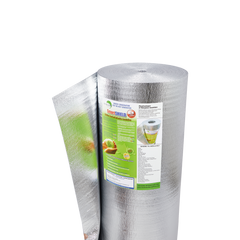
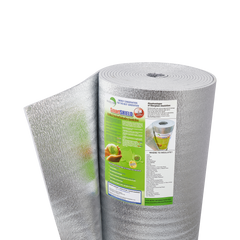
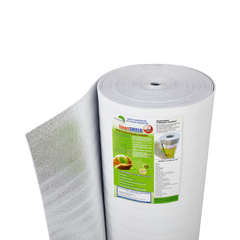
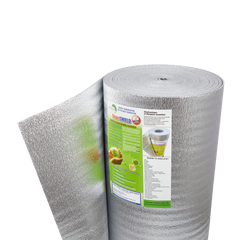
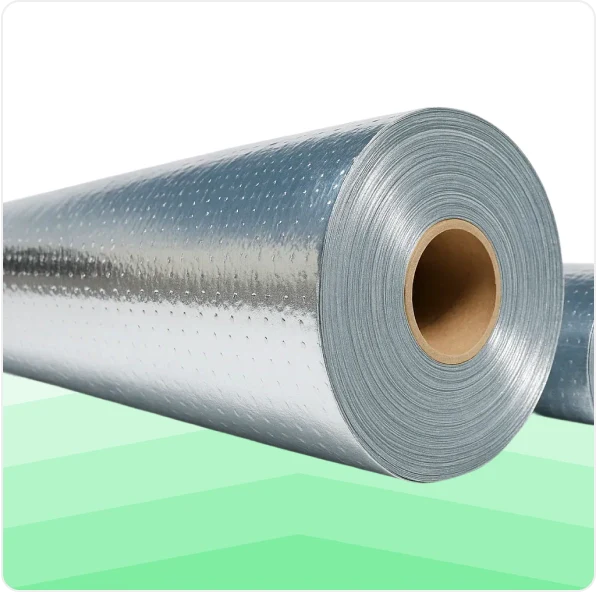
- Foam core reflective insulation stands out as a strong winter performer when layered properly. Our SmartSHIELD Foam Core Reflective Insulation combines closed-cell foam with reflective foil surfaces to reduce heat transfer through multiple mechanisms.

SmartSHIELD reflects up to 95% of radiant heat back into the living space, helping prevent warmth from escaping into the attic. It also reduces cold transfer through the roof, keeping indoor temperatures more stable during freezing conditions.
Lightweight and cut-to-fit, SmartSHIELD works well as a standalone solution or layered over existing insulation. Its DIY-friendly design makes it practical for homeowners looking to upgrade winter performance without bulky materials or complicated installs.
Winter-Specific Benefits of SmartSHIELD:
- Helps keep heat from escaping into the attic, maintaining indoor warmth
- Reduces cold transfer through the roof structure
- Performs consistently even in fluctuating winter temperatures
- Does not absorb moisture like traditional fibrous insulation
By combining SmartSHIELD reflective insulation with existing materials, homeowners can significantly improve attic performance without major renovations.
Insulate Smarter and Stay Warmer This Winter
So, does attic insulation help in winter? Absolutely. Attic insulation is one of the smartest upgrades for cold weather. It reduces heat loss, lowers energy bills, and prevents long-term damage.
Browse our SmartSHIELD reflective insulation collection or upgrade your attic entry with the SmartATTIC Insulation Tent Kit to make your home winter-ready with confidence.

Frequently Asked Questions
1. How much heat loss through an attic?
An under-insulated attic can account for up to 25–30% of a home’s heat loss. Warm air naturally rises, so without a proper barrier, it escapes quickly through the ceiling and roof during winter.
2. How much does attic insulation help in winter?
Effective attic insulation improves indoor comfort, lowers heating bills, and reduces strain on HVAC systems throughout the winter season.
3. Is it better to remove old attic insulation before adding new?
Not always. If existing insulation is dry and mold-free, new insulation can often be added on top. Removal is recommended only when insulation is damaged, contaminated, or severely compressed.
4. How much does it cost to insulate a 2000 sq ft attic?
Costs vary by material and coverage. For example, SmartSHIELD reflective insulation ranges from approximately $120 to $600 per roll, depending on thickness and coverage area, making it a flexible option for different budgets.
5. Does insulating my attic qualify for tax credits?
In many cases, energy-efficient insulation upgrades may qualify for federal or local tax incentives. Eligibility depends on current programs and product specifications.