



The cost to insulate ductwork typically ranges from $1,000 to $4,000 for professional installation, though DIY approaches can significantly reduce expenses.
Investing in proper insulation improves HVAC efficiency and lowers monthly energy bills.
Average Cost to Insulate Ductwork
The cost to insulate ductwork typically ranges from $1.50 to $8.00 per linear foot, depending on materials and labor.
Hiring a contractor increases total cost because labor often makes up a large portion of the budget. A DIY installation using easy-to-handle materials can reduce expenses by 30% to 50%, especially for accessible duct runs.
Other cost factors include:
- Pre-work requirements – Sealing leaks or cleaning ducts adds labor time.
- Accessibility – Open basements are less expensive than tight attics or crawl spaces.
- System size – Longer runs and larger duct diameters require more material.
We recommend assessing your specific site conditions to determine the most budget-friendly approach.
Residential Versus Commercial Duct Insulation Costs
The cost to insulate ductwork varies between residential and commercial projects due to scale and performance expectations.
Residential Projects
Homeowners typically prioritize:
- Indoor comfort
- Lower energy bills
- Safe, easy-to-install materials
Most residential duct insulation projects focus on stabilizing room temperatures and reducing HVAC strain.
Commercial Projects
Contractors prioritize:
- Installation speed
- Durability
- Code compliance
In commercial settings, labor efficiency and product performance drive material selection. Larger systems also increase total material requirements.
What Affects the Cost to Insulate Ductwork
Project expenses are rarely flat-rate; they fluctuate based on specific job site conditions.
1. Duct Size And Total Length
Larger systems increase the cost to insulate ductwork because they require more material.
To estimate needs:
- Measure total linear feet of ductwork.
- Calculate duct circumference.
- Multiply to determine total square footage required.
Purchasing insulation in bulk rolls can reduce the per-square-foot cost compared to smaller packaged wraps.
2. Duct Location
Access significantly impacts labor cost.
- Attics and crawl spaces increase labor time.
- Extreme temperatures raise installation difficulty.
- Tight areas require flexible, lightweight materials.
Using lightweight, flexible materials can help mitigate these labor costs, as they are easier to maneuver in tight spots than heavy fiberglass batts.
3. Type Of Insulation Used
Your choice of material significantly impacts the cost to insulate ductwork, with options ranging from traditional fiberglass wraps to modern reflective barriers. While fiberglass is a common choice, it can be itchy and difficult to handle.
Reflective insulation offers a cost-effective alternative that is often easier to install. We offer a detailed guide on what type of insulation to use inside air ducts to help you select the best solution for your budget.

Why Insulating Ductwork Matters
The cost to insulate ductwork is often justified by energy efficiency and moisture protection.
Energy Efficiency And HVAC Performance
Uninsulated ducts can lose a significant portion of conditioned air when routed through unconditioned spaces like attics or garages.
This forces HVAC systems to:
- Run longer cycles
- Work harder to maintain thermostat settings
- Experience increased wear
Insulation helps maintain air temperature as it travels, improving system efficiency.
Moisture And Condensation Prevention
Insulation acts as a thermal break, reducing condensation on cold ducts and preventing moisture damage that adds to long-term repair costs.
When cold air flows through ducts in warm, humid environments, the exterior surface "sweats." This condensation can lead to mold growth and structural rot.
Wrapping ducts with quality insulation prevents this temperature differential, protecting your property from expensive water damage and air quality issues.
The Best Insulation Options for Ductwork
Selecting high-quality materials like radiant barriers or foam core products helps manage the cost to insulate ductwork while maximizing thermal performance.
Radiant Barrier
Using a radiant barrier is a cost-effective strategy to lower the cost to insulate ductwork, especially in hot climates where reflecting solar gain is crucial. These barriers work by reflecting radiant heat rather than absorbing it.
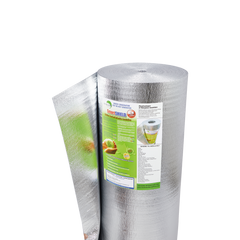
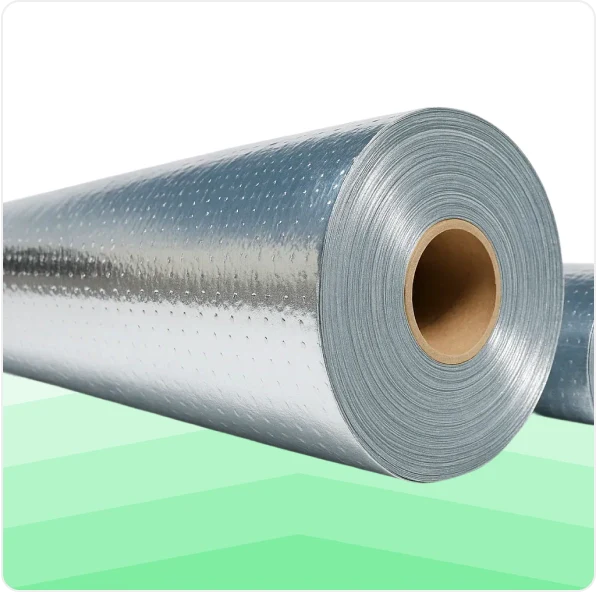
Our SmartFOIL radiant barrier is ideal for duct systems in attics, blocking up to 95% of radiant heat transfer. This helps maintain cooler air temperatures within the ducts, significantly reducing the cooling load.

Foam Core Reflective Insulation
Foam core reflective insulation offers superior versatility, providing excellent value for the cost to insulate ductwork by combining a radiant barrier with a thermal break.
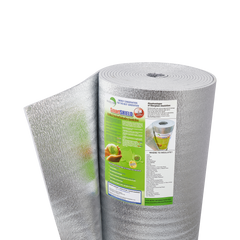
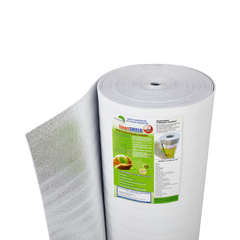
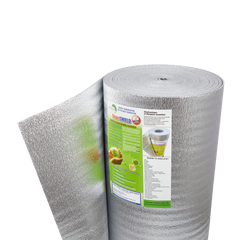
Products like our SmartSHIELD foam core reflective insulation feature a layer of closed-cell foam sandwiched between reflective foil. This design blocks radiant heat and resists conductive heat transfer. It is flexible, waterproof, and acts as a vapor barrier, making it a comprehensive solution for ductwork.

Reflective Insulation For HVAC Insulation Projects
Reflective insulation can help reduce labor time and simplify installation.
Benefits For Contractors And HVAC Installers
Contractors often find that reflective products reduce the labor portion of the cost to insulate ductwork because the materials are lightweight and quick to apply.
- Lightweight materials help speed up installation. Rolls are easy to carry and maneuver, even for a single person.
- Large rolls reduce seams and installation time. Wider rolls mean fewer cuts and less taping, creating a continuous barrier.
- Suitable for large duct systems. These products scale easily for residential and commercial buildings without the mess of fibers.
Benefits For Homeowners And Property Managers
Homeowners see a reduction in long-term expenses that offsets the initial cost to insulate ductwork, enjoying more stable indoor temperatures year-round.
Investing in high-quality insulation from Insulation MarketPlace improves HVAC efficiency immediately. This results in fewer maintenance calls and lower utility bills, enhancing the overall value and comfort of the property.
How to Plan Duct Insulation for Long Term Savings
To optimize the cost to insulate ductwork:
- Measure your full duct system.
- Identify areas with the highest heat gain or condensation risk.
- Select materials that match your climate and accessibility conditions.
At Insulation MarketPlace, we offer reflective insulation solutions designed for efficient installation and long-term performance. Explore insulation solutions on our online store to find the right products for your project.